
Why Chronic Diseases Are Rising Faster
This topic investigates the paradox of our time: we have more medical innovation than ever, yet chronic diseases are rising. It challenges readers to consider how lifestyle, environment, and social structures are outpacing the ability of medicine to keep us well.
enoma ojo (2025)
1/6/20262 min read
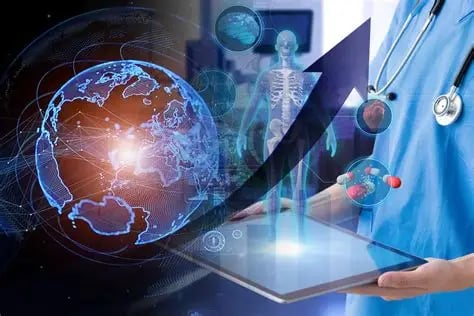
We live in an age of extraordinary medical progress. Artificial intelligence can detect diseases earlier than ever. Gene therapies are rewriting the rules of treatment. Wearable devices track our physiology in real time. Yet despite all this innovation, chronic diseases are rising at alarming rates across the world. Diabetes, hypertension, heart disease, autoimmune disorders, and mental health conditions are becoming more common, not less. This paradox, more innovation but worse health, forces us to confront a deeper truth: technology alone cannot solve the crisis of chronic illness. One reason chronic diseases are accelerating is that medical innovation is largely reactive. It is designed to treat illness after it appears, not prevent it from developing in the first place. Meanwhile, the forces driving chronic disease, poor nutrition, sedentary lifestyles, environmental toxins, chronic stress, and disrupted sleep are evolving faster than healthcare systems can respond. Our bodies are being shaped by environments that change more rapidly than our biology can adapt to. The result is a widening gap between what medicine can treat and what society continues to produce.
Social and economic conditions deepen this divide. Many communities lack access to healthy food, safe neighborhoods, or affordable preventive care. Economic inequality forces people into long work hours, unstable housing, and chronic stress — all of which directly affect the body’s long-term health. These structural realities create fertile ground for chronic illness, yet medical innovation rarely targets them. High-tech solutions often benefit those who already have access, while millions remain vulnerable to diseases that no amount of advanced treatment can fully resolve. Another challenge is the limitation of the traditional biomedical model. Healthcare systems are designed to address acute problems, infections, injuries, and emergencies, rather than long-term conditions that require lifestyle changes, mental health support, and community-based interventions. Chronic diseases demand a holistic approach, but innovation often remains siloed in pharmaceuticals, devices, and hospital-based care. Without integration, even the most advanced treatments struggle to address the full complexity of chronic illness.
To reverse the trend, innovation must expand beyond technology. We need new models of care that prioritize prevention, accessibility, and human-centered design. This includes community health programs, digital tools that support daily habits, culturally informed care, and policies that address the social determinants of health. True innovation is not just about smarter machines, it’s about smarter systems. It’s about designing environments that make healthy choices easier, not harder. Ultimately, the rise of chronic disease forces us to rethink what health really means. Health is not simply the absence of illness; it is the presence of stability, support, and environments that allow people to thrive. Chronic disease is not just a medical problem — it is a societal mirror. It reflects the pace of our lives, the pressures we carry, and the systems we’ve built. If we want innovation to catch up, we must address the root causes shaping our health. Only then can we create a future where medical progress and human well-being move forward together.
© 2026 Enoma Ojo Inquiry & Insights.
All writing, reflections, and original ideas published here are protected by copyright. Please request permission before sharing or reproducing this work.