When Illness Looks Like Witchcraft: How Healthcare Gaps Shape Belief in Africa
When Illness Looks Like Witchcraft” explores how gaps in healthcare access across parts of Africa shape the way communities interpret sickness, suffering, and the unknown. This piece examines the intersection of culture, medicine, and belief, showing how, in the absence of reliable care, people turn to the explanations available to them. It’s a thoughtful look at how systems shape stories, and how stories shape survival.
enoma ojo (2025)
1/6/20262 min read
Charlie limped into the courtyard just as the sun was rising, his face tight with discomfort. A friend noticed immediately and asked what was wrong. Charlie hesitated before answering, lowering his voice as if afraid someone might overhear. “I’ve had this pain in my left leg for weeks now,” he said. “It won’t go away, and honestly… I’m starting to wonder if someone might be using witchcraft against me.”
His friend looked at him with concern, not judgment. “Witchcraft? Charlie, that sounds like something a doctor should check out.” Charlie sighed. “I would, but the nearest clinic is hours away, and last time I went, they didn’t have the equipment to run any tests. When you can’t get answers, your mind starts going to other places.”
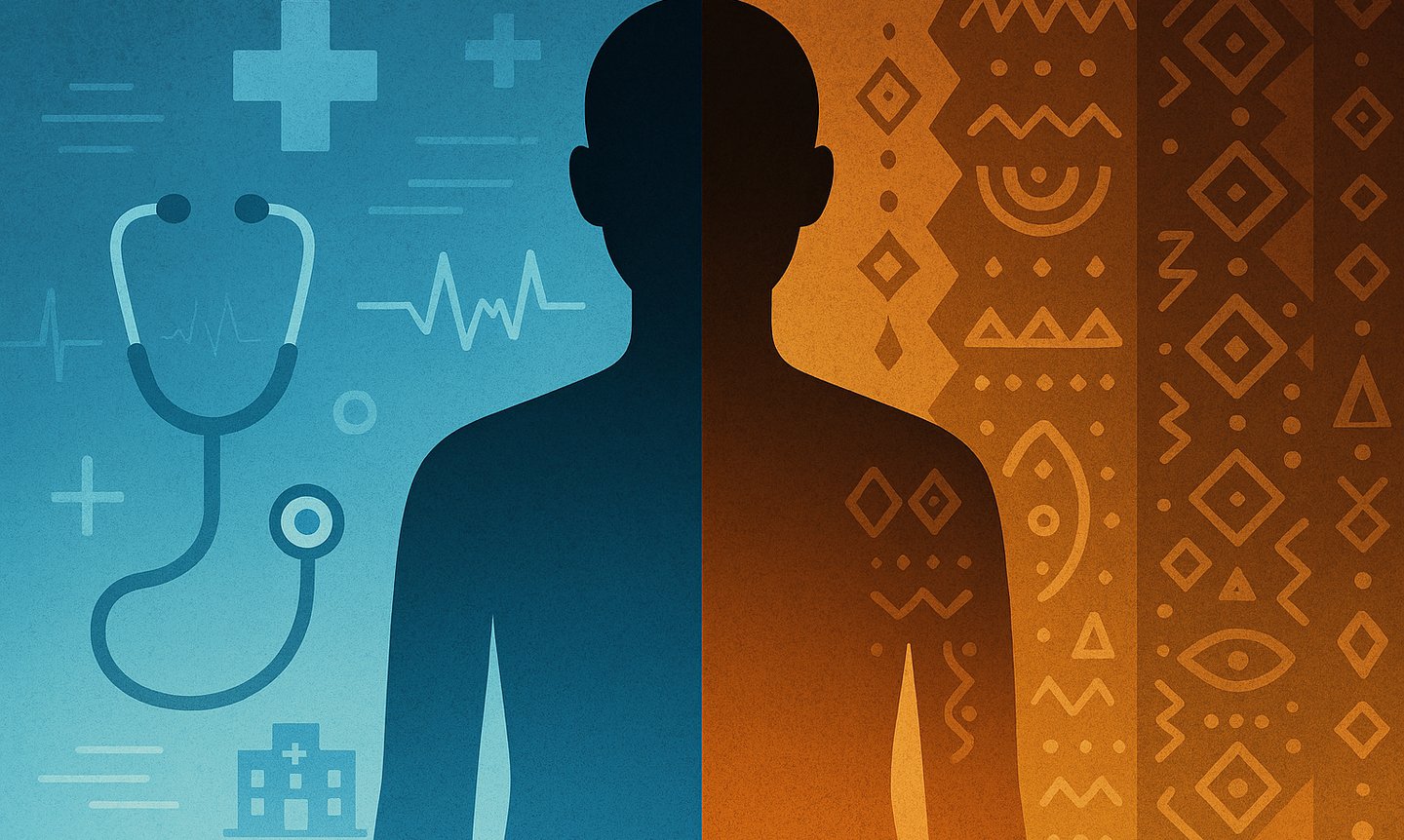
In that brief exchange, Charlie revealed a reality many people across Africa face every day: when healthcare is distant, unreliable, or unaffordable, unexplained symptoms quickly take on spiritual meaning. Pain becomes a curse. Seizures become an attack. Mental‑health struggles become evidence of dark forces at work. Not because people reject science, but because science is often out of reach.
Across many African communities, the line between illness and witchcraft is often blurred, not because people reject science, but because reliable healthcare is out of reach for millions. When medical services are scarce, expensive, or too far away, families fall back on cultural explanations that have existed for generations. In this environment, sudden or unexplained symptoms are easily interpreted as spiritual attacks, curses, or supernatural interference.
The lack of accessible healthcare plays a central role in sustaining these beliefs. Many rural areas have few clinics, long travel distances, and chronic shortages of trained medical professionals. When someone collapses, hears voices, has seizures, or behaves unpredictably, there may be no doctor available to explain what is happening. Without medical knowledge or diagnostic tools, communities rely on the explanations they know, often rooted in tradition rather than biology.
Certain medical conditions are especially vulnerable to being misinterpreted as witchcraft. Epilepsy, schizophrenia, bipolar disorder, dementia, and severe infections can produce dramatic symptoms that appear mysterious or frightening. In places where mental‑health education is limited, these conditions are rarely recognized for what they are. Instead, families may seek help from spiritual healers, believing the illness is caused by curses or malevolent forces. This delays treatment and can worsen the person’s condition.
Economic barriers deepen the problem. Even when clinics exist, many families cannot afford consultations, medications, or transportation. As a result, they turn to traditional healers who are more accessible and culturally familiar. This is not a rejection of modern medicine, it is a reflection of inequality. When the healthcare system fails to meet people’s needs, alternative explanations and remedies fill the vacuum.
Despite these challenges, change is happening. Governments, NGOs, and private organizations are working to expand healthcare infrastructure, train more professionals, and introduce mobile health technologies that bring services directly to underserved communities. Public‑health campaigns are helping people recognize the symptoms of common neurological and mental‑health conditions, reducing fear and stigma. As access improves, communities begin to shift from supernatural interpretations to scientific understanding.
Ultimately, the belief that illness is caused by witchcraft is not simply a cultural issue, it is a symptom of deeper healthcare gaps. When people have access to trustworthy, affordable medical care, the need for supernatural explanations fades. Strengthening healthcare systems across Africa is therefore not only a medical priority but also a social one. It empowers communities, protects vulnerable individuals, and replaces fear with knowledge, paving the way for healthier and more informed societies.
enoma ojo (2025)