
Trauma and Memory: How Past Pain Shapes Present Identity
Memory holds the pain. Healing rewrites the meaning. You are more than what happened to you.
enoma ojo (2023)
1/7/20261 min read
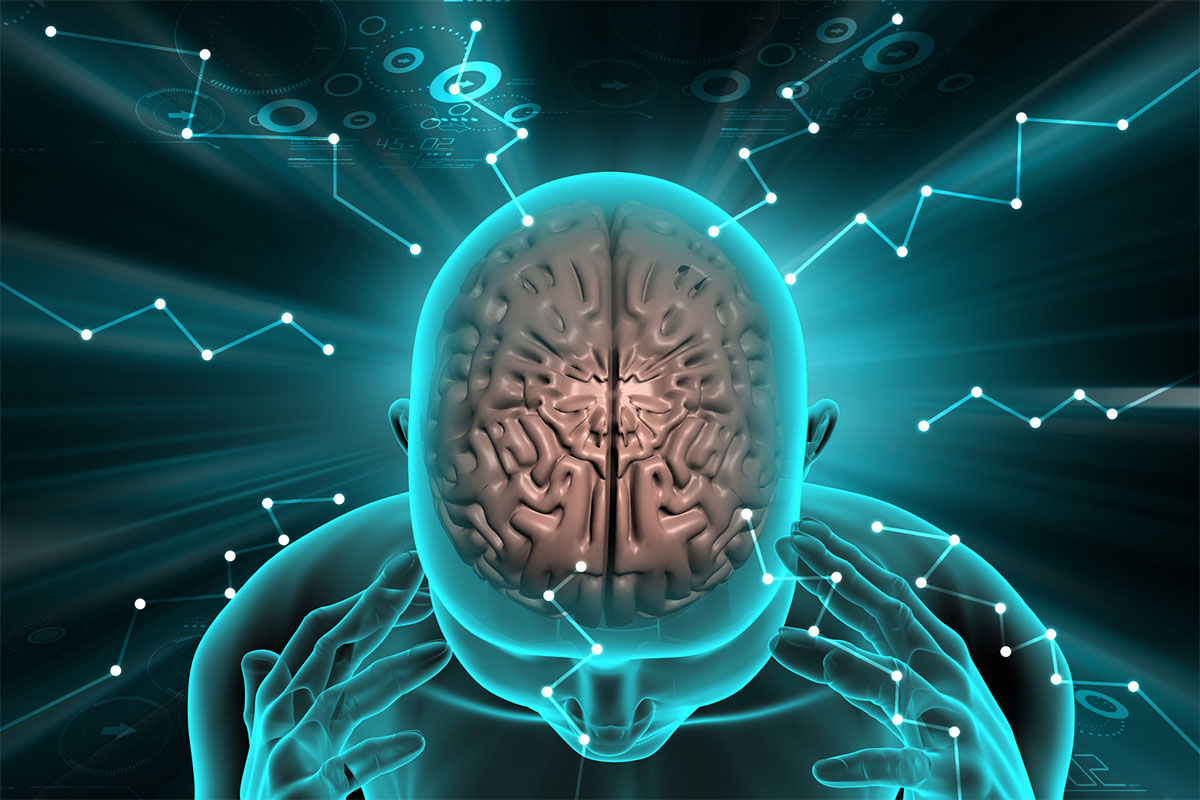
Trauma is not just an event that happened in the past , it is an imprint. It lingers in the body, the mind, and the memory, shaping how people see themselves and how they move through the world. Even when the moment has passed, its echoes can remain, influencing choices, relationships, and identity in ways that are often invisible but deeply felt. Memory plays a central role in this process. The brain does not store traumatic experiences the same way it stores ordinary moments. Instead, trauma can become fragmented, vivid, or emotionally charged, resurfacing unexpectedly through triggers, sensations, or patterns of behavior. These memories can distort self‑perception, creating narratives of fear, inadequacy, or hypervigilance that feel like truth.
But trauma does more than wound, it reshapes. It can alter how a person defines safety, trust, and belonging. It can influence how they respond to conflict, how they protect themselves, and how they interpret the intentions of others. For many, trauma becomes a silent architect of identity, building walls where there should be windows, or teaching survival where there should be ease.
Yet the story does not end with pain. Identity is not fixed, and memory is not destiny. Healing begins when individuals recognize how past experiences continue to shape their present lives. Through therapy, reflection, community, or spiritual grounding, people can learn to reinterpret their memories, reclaim their narratives, and rebuild a sense of self that is not defined by what hurt them. Trauma may shape identity, but it does not have to own it. The courage to confront the past, to name it, understand it, and transform it, is the first step toward freedom. When people begin to see themselves not as victims of memory but as authors of their future, they open the door to resilience, growth, and a renewed sense of possibility.
enoma ojo (2023)