
The Silent Epidemic: Why Prevention Fails
Millions of preventable deaths occur every year, especially in developing countries where weak systems and delayed care turn simple issues into tragedies. This post breaks down why prevention fails globally and what must change before the cost becomes irreversible.
enoma ojo (2023)
1/11/20265 min read
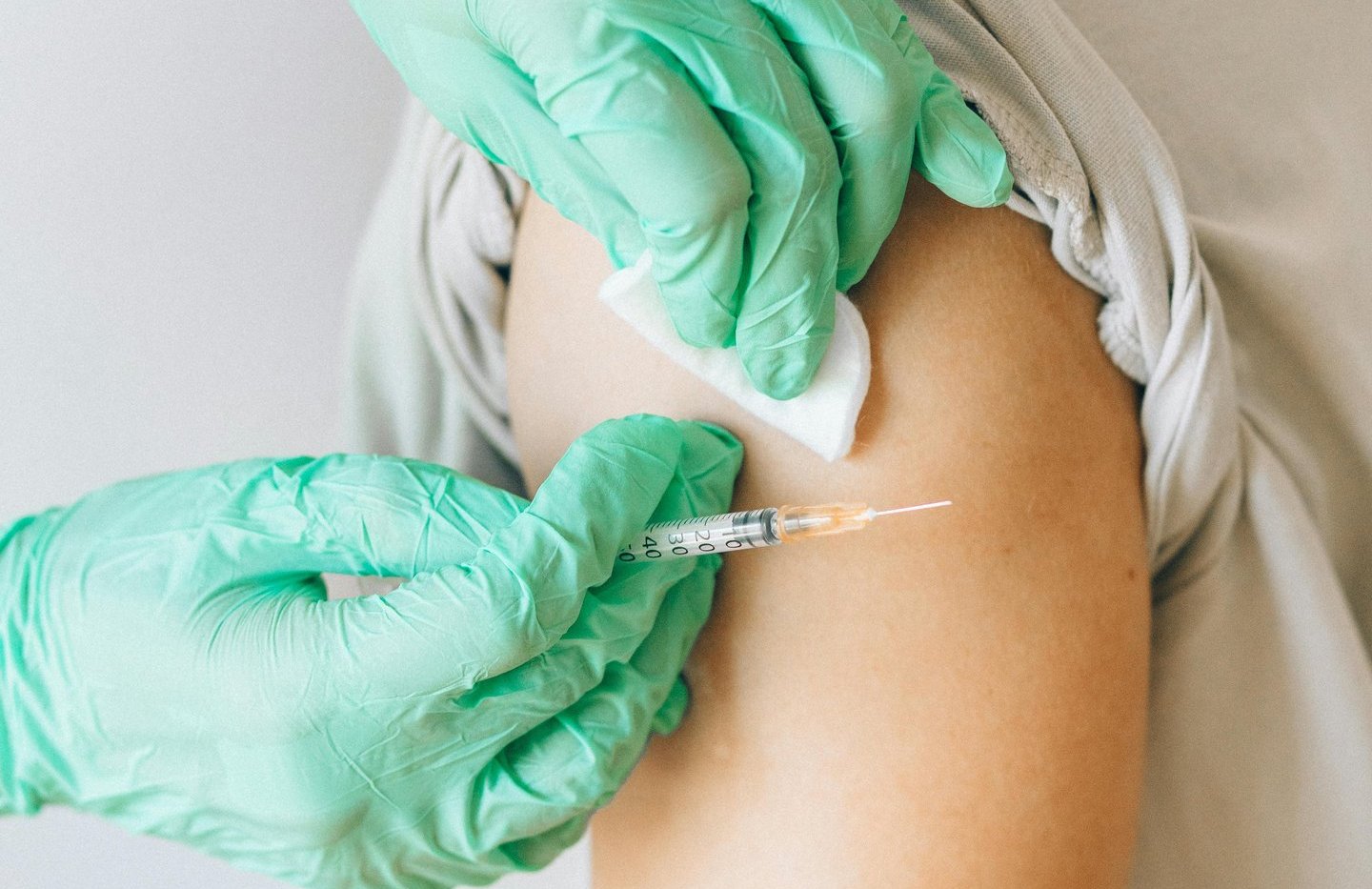

Prevention is praised in public speeches but ignored in real life. Every institution claims to value early action, yet the human body continues to break down under stress, neglect, and systemic failure. The epidemic isn’t the disease itself; it’s our refusal to prioritize long-term health. Prevention fails because it doesn’t generate profit. A healthy population reduces revenue for hospitals, pharmaceutical companies, and insurance systems. As a result, society invests heavily in treatment and crisis response while underfunding education, lifestyle support, and community health. Human behavior also works against prevention. People respond to emergencies, not warnings. We wait for pain, diagnosis, or collapse before taking action. Prevention requires discipline, consistency, and patience, qualities modern life constantly erodes. The body is treated like a machine instead of a relationship. Most people use their bodies until something breaks, then scramble for solutions. Subtle signals like fatigue, mood changes, and poor sleep are ignored because they don’t disrupt productivity. By the time the body sends loud signals, such as pain, inflammation, or chronic symptoms, prevention is no longer possible. The window has closed. What could have been addressed early becomes a long-term condition requiring treatment instead of simple lifestyle adjustments.
Prevention also fails because society refuses to address root causes. Many health problems stem from environments shaped by stress, poor food access, unsafe neighborhoods, and emotional deprivation. We blame individuals for outcomes created by systems. Education is another missing pillar. People are never taught how their bodies work. Schools teach complex academic subjects but ignore essential knowledge about stress, sleep, nutrition, trauma, and movement. Without understanding, prevention becomes guesswork. Instead of listening to patterns, we wait for pain. The body communicates through energy levels, appetite, mood, and sleep cycles long before disease appears. Prevention requires paying attention to these patterns, not reacting to emergencies. The failure of prevention is ultimately a cultural issue. We live in a world built on convenience, speed, and distraction, all enemies of long-term health. Until society values rest, nutrition, emotional well-being, and education, prevention will remain an empty slogan. Prevention doesn’t fail because it’s unrealistic. It fails because we fail it. To reverse the silent epidemic, we must redesign our priorities and build a culture where health is taught, supported, and protected. Prevention is not a medical strategy; it is a societal value.
Across 26 OECD countries, over 3 million premature deaths (under age 75) could have been avoided through better prevention and healthcare interventions. 2.1 million deaths were preventable through public health and primary prevention (lifestyle, environment, and early detection). 1 million deaths were treatable with timely and effective healthcare (diagnosis, treatment, access). This means one‑third of all deaths in these countries were avoidable. WHO (2023) reports 1.8 million avoidable deaths every year in the European Region alone. 60% preventable (risk factors, environment, lifestyle, public health failures). 40% treatable (healthcare system failures). Across high‑income regions alone, more than 5 million deaths every year are classified as avoidable, meaning they could have been prevented through better public health measures or timely, effective healthcare. Since these regions represent only a fraction of the global population, the worldwide toll of avoidable deaths is far higher. Preventable mortality rates are significantly higher in developing countries, where weak public health systems, delayed diagnosis, and infectious diseases drive avoidable deaths well above 300 per 100,000 people. Countries like Peru and South Africa already show some of the highest preventable mortality rates reported by OECD data.
The path forward begins with a cultural reset. Prevention cannot succeed in a society that rewards urgency, glorifies exhaustion, and treats health as an afterthought. We must redesign our environments, our expectations, and our priorities so that prevention becomes the default, not the exception. This requires shifting from a reactive mindset to a proactive one, where we value long-term well-being over short-term convenience. A meaningful way forward starts with education. People cannot protect what they do not understand. Schools, workplaces, and communities must teach the fundamentals of the human body: how stress affects hormones, how sleep repairs the brain, how nutrition shapes mood, and how trauma rewires the nervous system. When people understand their biology, prevention becomes intuitive rather than optional. We must also rebuild our relationship with the body. Instead of waiting for pain, we must learn to listen to patterns, energy levels, mood changes, sleep cycles, and subtle signals that something is off. Prevention thrives when people treat their bodies as partners, not machines.
This shift requires slowing down, paying attention, and honoring the body’s early warnings. On a systemic level, prevention demands environments that support healthy choices. That means in workplaces that respect rest, communities with access to nutritious food, and healthcare systems that prioritize education and early intervention. Blaming individuals for outcomes shaped by their environment is not prevention; it is avoidance. Real prevention requires structural support. Emotionally, we must address the silent drivers of disease: chronic stress, loneliness, burnout, and emotional deprivation. These forces weaken the body long before symptoms appear. A society that ignores emotional well-being cannot claim to care about prevention. Healing begins when emotional health is treated as essential, not optional.
Finally, prevention requires courage, the courage to slow down, to change habits, to challenge systems, and to choose long-term health over short-term comfort. It is not glamorous, dramatic, or profitable. But it is the foundation of a society that values human life. The way forward is simple, but not easy. Teach people how their bodies work. Build environments that support health. Listen to the body’s early signals. Address emotional well-being. And treat prevention as a cultural value, not a medical slogan. If we commit to these principles, the silent epidemic will no longer be inevitable. Prevention will finally have a chance to succeed. The truth is simple: the body keeps the score, whether we pay attention or not. Prevention is not a luxury, a trend, or a motivational slogan; it is the thin line between a life we manage and a life that manages us. When we ignore the early signs, when we normalize exhaustion, when we treat stress as ambition and pain as discipline, we are not being strong. We are being reckless.
The warning is this: the body always collects its debt. It may wait months or years, but it never forgets. Every skipped meal, every sleepless night, every unresolved emotion, every ignored symptom becomes part of a silent ledger that eventually comes due. And when it does, the cost is always higher than we expected. We are entering an era where chronic illness is becoming the norm, not the exception. Not because the human body is weaker, but because the world we’ve built is harsher, faster, and more demanding than the biology we inherited. If we continue to treat prevention as optional, we will inherit a future defined by avoidable suffering. This is not fear, it is foresight. The warning is not meant to alarm you, but to awaken you. Prevention is the only strategy that gives us control, dignity, and agency over our health. Everything else is reaction, regret, and repair.
The final word is this: listen now, or pay later, your body is speaking, your environment is shaping you, and your habits are writing your future.
Choose wisely, because the silent epidemic is not waiting for permission. It is already here.
© Enoma Ojo Inquiry & Insight. All rights reserved.