The Psychology of Trust (Human Mind Series Part 9)
The Psychology of Trust invites readers into the quiet architecture beneath every human connection. It unpacks the emotional, biological, and social mechanisms that determine whether we open up or shut down, collaborate or withdraw, build or destroy. This article shows that trust is not a feeling but a structure, shaped by early experiences, reinforced by patterns, and tested by vulnerability. It also sets the stage for Part 10 by revealing why trust and power are inseparable forces in shaping human behavior and human systems.
enoma ojo (2026)
3/21/20268 min read
Welcome back to our Human Mind Series, an exploratory journey into the hidden forces that shape how we think, feel, decide, and ultimately become who we are.
In Part 8, we explored how identity is shaped by the stories people tell themselves, stories inherited, absorbed, or unconsciously repeated. But once a person rewrites their self‑story, a new question emerges: Can this new identity survive contact with the world? Identity may be authored internally, but it is tested externally. And the first test, the most fragile, the most defining, is trust. Trust is the bridge between the self and the world, the invisible contract that determines whether a person steps forward with confidence or retreats into self‑protection. If identity is the story we live by, trust is the condition that allows that story to unfold.
Trust is one of the most powerful psychological forces in human life, yet it is also one of the least understood. It operates quietly, shaping decisions, relationships, and even national stability. People rarely notice trust when it is present; they only feel its absence. At its core, trust is a prediction, a belief about what another person, institution, or environment will do. The mind attempts to reduce uncertainty in a world that is fundamentally unpredictable. Without trust, every interaction becomes a calculation, every decision a risk. Trust begins early. Infants learn trust not through language but through consistency, the reliability of a caregiver’s presence, tone, and response. These early patterns become templates for how the adult self interprets safety, danger, and vulnerability. Because trust is rooted in early experience, it is deeply emotional. It is not built through logic alone. A person may know intellectually that someone is trustworthy, yet still feel unsafe if their emotional history has taught them otherwise.
Trust is also biological. The brain releases oxytocin during moments of connection, signaling safety and lowering defensive responses. Chronic stress, trauma, or betrayal disrupts this chemistry, making trust feel dangerous even when it is rational. In relationships, trust is the currency that determines depth. Without trust, people stay on the surface, polite, functional, but emotionally distant. With trust, vulnerability becomes possible, and vulnerability is the gateway to intimacy. But trust is not only interpersonal; it is internal. Self‑trust, the belief that one can rely on one's own judgment, resilience, and boundaries, is the foundation of confidence. When self‑trust is weak, people outsource their decisions, silence their instincts, or remain stuck in cycles of doubt. Self‑trust is often damaged long before adulthood. Repeated invalidation, punishment for honesty, or environments where mistakes are unsafe can fracture a person’s ability to rely on themselves. Rebuilding self‑trust requires unlearning fear. Trust is also social. Communities, institutions, and nations depend on collective trust to function. When trust in institutions collapses, societies experience polarization, instability, and fear. Trust is the invisible infrastructure of civilization.
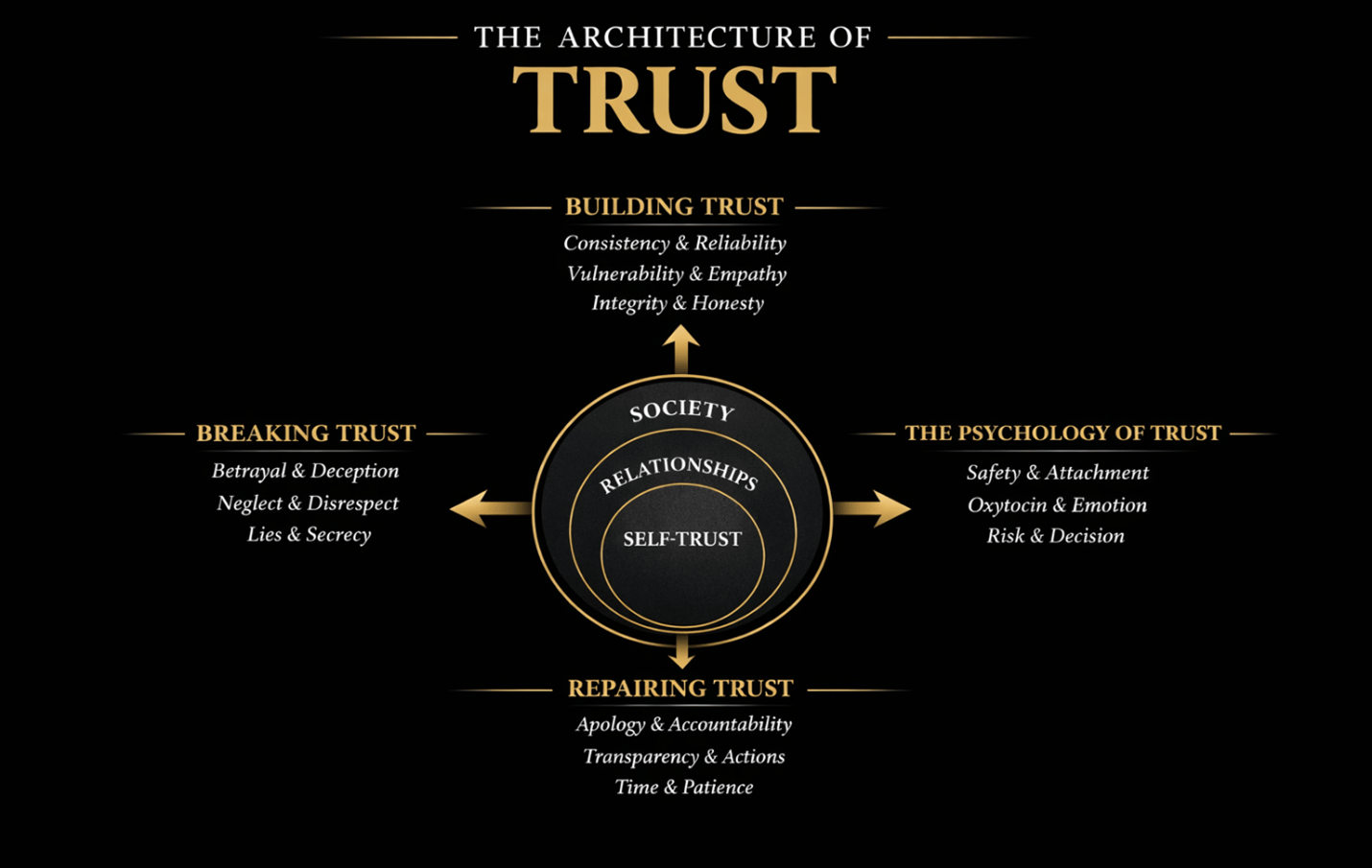
Figure 1. The Psychology of Trust Quadrant
Source: Author’s representation using Microsoft Co-pilot (2026)
In Figure 1, trust is not a feeling; it is a structure. The diagram reveals that trust is built through consistency, empathy, and integrity. These elements form the foundation of safe relationships, reliable leadership, and resilient communities. When people experience repeated patterns of reliability and emotional attunement, their nervous systems begin to relax, allowing vulnerability and cooperation to emerge.
But trust is fragile. The left quadrant shows how betrayal, neglect, and secrecy fracture the architecture. These violations trigger emotional withdrawal and neurological alarm. Once broken, trust cannot be repaired by words alone; it must be rebuilt through transparent actions, accountability, and time. The bottom quadrant outlines this slow, deliberate process of repair, emphasizing that healing is behavioral, not rhetorical.
The right quadrant explores the psychology behind trust. It is shaped by early attachment, regulated by hormones like oxytocin, and activated during moments of risk. Trust is not blind; it is a calculated decision made under uncertainty. The brain scans for safety cues, and when those cues are present, it allows connection. When absent, it defaults to protection.
At the center of the diagram is a layered circle: self-trust, relationships, and society. This structure shows that trust begins internally. Without self-trust, people struggle to set boundaries, make decisions, or engage authentically. That internal fracture ripples outward, weakening relationships and destabilizing institutions. Strong societies are built on strong relationships, and strong relationships are built on strong selves.
This architecture leads directly into Part 10: The Mind and Power. If trust determines how people connect, power determines how they act. Trust is the emotional infrastructure; power is the structural force. Together, they shape the human experience, one governing safety, the other governing agency. Part 10 will explore how the mind understands, seeks, resists, and wields power, and why power without trust becomes destructive.
Economists have long noted that high‑trust societies grow faster, innovate more, and experience less corruption. Trust reduces friction. It lowers the cost of cooperation. It allows people to move through life without constant suspicion. But trust is fragile. It can take years to build and seconds to break. Betrayal is not merely an emotional wound; it is a neurological shock. The brain shifts into hypervigilance, scanning for danger, rewriting assumptions about safety. Once trust is broken, the mind becomes cautious. It begins to generalize: If one person failed me, others might too. This is a protective instinct, but it can become a prison if left unexamined. Repairing trust requires more than an apology. It requires consistency, transparency, and time. Trust is rebuilt through patterns, not promises. The nervous system must relearn safety through repeated evidence.
In leadership, trust is the difference between influence and control. People follow leaders they trust; they obey leaders they fear. Trust creates loyalty. Fear creates compliance. Only one of these is sustainable. In families, trust determines whether children grow into adults who explore or adults who hide. A home where trust is nurtured becomes a launching pad. A home where trust is violated becomes a maze of emotional landmines. In personal growth, trust determines whether a person takes risks, such as starting a business, leaving a harmful environment, or pursuing a calling. Without trust, even opportunity feels threatening. Trust is also reciprocal. People tend to become what others expect of them. When someone is trusted, they often rise to the occasion. When someone is distrusted, they may shrink back or dissent against the suspicion. The psychology of trust reveals a paradox: trust requires vulnerability, but vulnerability requires trust. This circular dependency is why trust is both powerful and perilous. It demands courage.
Ultimately, trust is a choice, not a naïve leap into the unknown, but a deliberate, measured decision to believe in the possibility of safety, connection, and cooperation. It is the quiet courage to let the mind unclench, to allow the nervous system to soften, and to risk being seen without armor. Trust is the internal permission we grant ourselves to move toward others rather than away from them. It is the decision that makes relationships possible, communities functional, and progress achievable.
Trust is also an act of imagination. To trust is to envision a future in which harm is not inevitable, betrayal is not guaranteed, and vulnerability is not punished. It is the mind’s way of saying, “I believe there is a version of this interaction that leads to growth rather than danger.” Without that imaginative leap, human life collapses into suspicion, hypervigilance, and emotional isolation. With it, people can build families, institutions, and societies that endure beyond individual lifetimes. Yet trust is never unconditional. It is shaped by memory, experience, and the emotional residue of past wounds. When someone chooses to trust, they are not erasing their history, they are choosing not to let their history dictate every future possibility. This is why trust is both powerful and vulnerable: it requires strength to offer, wisdom to protect, and discernment to withdraw when necessary. Trust is not the absence of boundaries; it is the presence of clarity.
This Part Series brings us to the next force in the Human Mind Series: “Power”. If trust determines how people connect, power determines how they act. Trust shapes the emotional landscape, the sense of safety, belonging, and mutual regard. Power shapes the structural landscape: who leads, who follows, who decides, and who is affected. Trust governs the heart; power governs the world built around it. When trust and power work together, societies flourish. When they diverge, systems fracture.
Part 10, The Mind and Power, will explore this next psychological force, the force that determines not just how people behave, but how entire systems organize themselves. Power is one of the most misunderstood elements of human psychology. It is not merely authority or dominance; it is the mind’s internal sense of agency, influence, and capacity to shape outcomes. To understand power is to understand why humans strive, why they protect, why they resist, and why they sometimes harm. The mind interprets power long before it consciously seeks it. Children learn power through the dynamics of approval, punishment, and control. Adults navigate power through social hierarchies, institutions, and relationships. Some pursue power to create safety; others pursue it to avoid vulnerability. Some resist power because it reminds them of past harm; others cling to it because it gives them a sense of identity. Power is never neutral; it always reveals the story a person believes about themselves and the world.
Humans seek power for many reasons: to protect what they value, to secure resources, to express competence, or to escape helplessness. But they also resist power when it feels imposed, coercive, or misaligned with their autonomy. This tension, the desire for agency, and the fear of domination shape everything from personal relationships to national politics. Power becomes dangerous when it is used to control rather than uplift, to silence rather than guide, to dominate rather than stabilize. And this is why trust is essential. Power without trust becomes domination, a structure built on fear, compliance, and instability. It forces people to obey rather than choose, to submit rather than participate. Conversely, trust without power becomes fragility, a state where good intentions exist but cannot shape outcomes. Trust gives power legitimacy; power gives trust structure. When they work together, they create environments where people feel both safe and capable, both protected and empowered.
Together, trust and power form the twin forces that shape human behavior, human institutions, and the human future. Trust determines the emotional landscape, the sense of safety, belonging, and connection. Power determines the structural landscape, the rules, decisions, and consequences that govern life. To understand the human mind, one must understand how these two forces interact, collide, and co‑create the world we live in. Part 10 will take us into this deeper terrain, revealing how the mind understands, seeks, resists, and wields power, and what happens when power is exercised without the stabilizing presence of trust.
References
1. Ainsworth, M. D. S. (1978). Patterns of attachment: A psychological study of the strange situation. Lawrence Erlbaum.
2. Bowlby, J. (1969). Attachment and loss: Vol. 1. Attachment. Basic Books.
3. Cialdini, R. B. (2006). Influence: The psychology of persuasion. Harper Business.
4. Foucault, M. (1977). Discipline and punish: The birth of the prison. Pantheon Books.
5. Fukuyama, F. (1995). Trust: The social virtues and the creation of prosperity. Free Press.
6. Keltner, D. (2016). The power paradox: How we gain and lose influence. Penguin Press.
7. Kosfeld, M., Heinrichs, M., Zak, P. J., Fischbacher, U., & Fehr, U. (2005). Oxytocin increases trust in humans. Nature, 435(7042), 673–676.
8. Lewicki, R. J., & Bunker, B. B. (1996). Developing and maintaining trust in work relationships. In R. M. Kramer & T. R. Tyler (Eds.), Trust in organizations: Frontiers of theory and research (pp. 114–139). Sage.
9. Mayer, R. C., Davis, J. H., & Schoorman, F. D. (1995). An integrative model of organizational trust. Academy of Management Review, 20(3), 709–734.
10. OECD. (2022). Building trust to reinforce democracy. OECD Publishing.
11. Porges, S. W. (2011). The polyvagal theory: Neurophysiological foundations of emotions, attachment, communication, and self-regulation. W. W. Norton.
12. Putnam, R. D. (2000). Bowling alone: The collapse and revival of American community. Simon & Schuster.
© 2026 Enoma Ojo. All rights reserved.
No part of this publication may be reproduced, distributed, or transmitted in any form or by any means without prior written permission from the author.