
The Psychology of Hope: Why Some People Rise and Others Fall
This article uncovers the deeper psychology of hope and why it becomes the turning point between rising and falling. It shows how belief, identity, and mental pathways influence our ability to overcome challenges and create meaningful change
enoma ojo (2022)
1/8/20264 min read
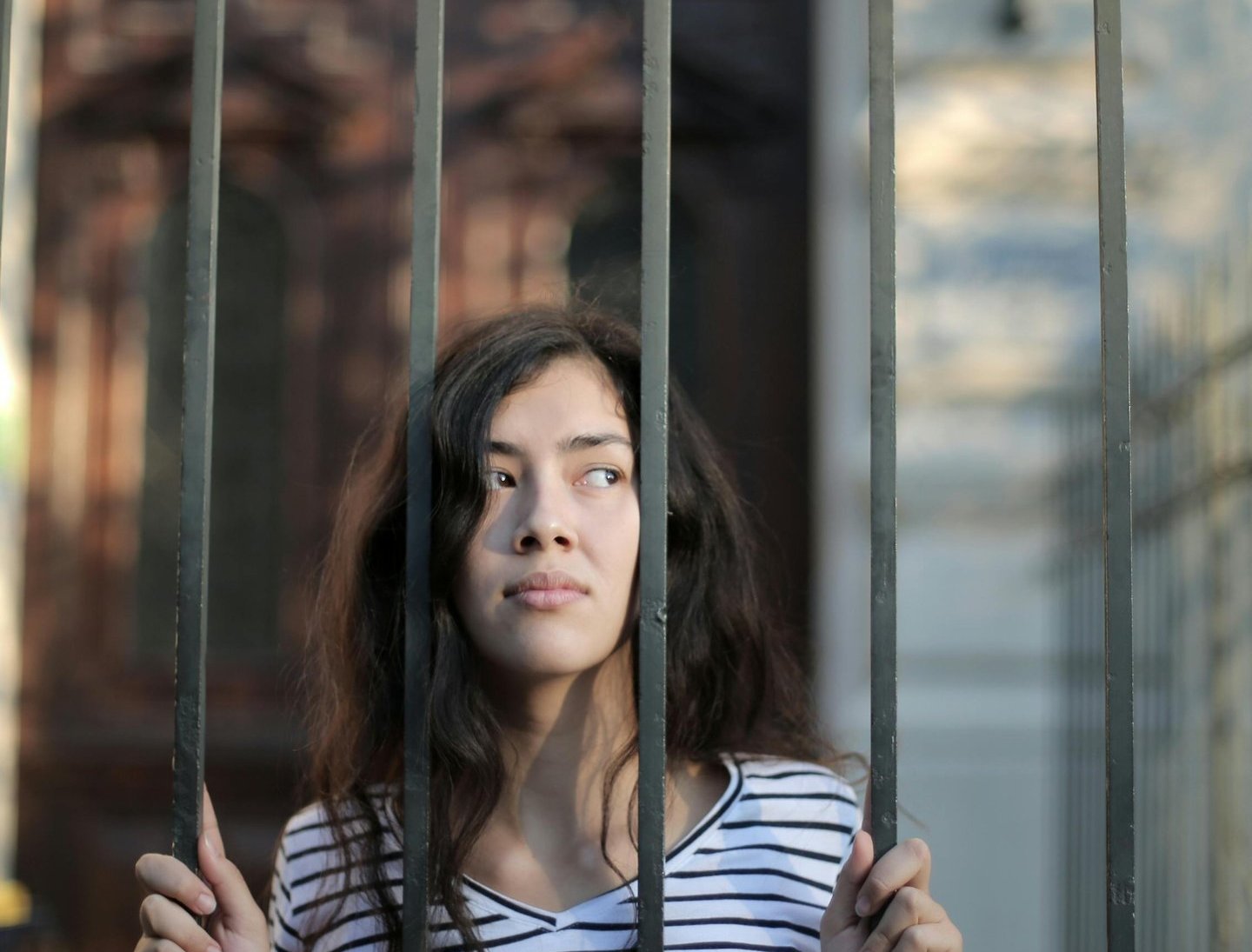
Hope is often misunderstood. Many people think of it as a soft emotion — a warm feeling that things will somehow get better. But psychology paints a different picture. Hope is not passive, and it is not naïve. It is a mental framework, a disciplined way of thinking that shapes how we interpret challenges, pursue goals, and respond to adversity. Two people can face the same hardship, yet one rises while the other collapses. The difference is rarely luck or talent. More often, it is hope, the belief that change is possible and that one’s actions can influence the future. At its core, hope is a cognitive skill. Psychologist Charles Snyder described it as a combination of agency and pathways. Agency is the belief that you can take meaningful action. Pathways thinking is the ability to generate multiple routes toward a goal. Hopeful people don’t just wish for better outcomes; they believe they can create them, and they can imagine more than one way to get there. This mental flexibility becomes a powerful engine for resilience, creativity, and persistence.
The science behind hope is surprisingly robust. Studies show that hopeful individuals experience higher motivation, stronger problem‑solving abilities, and greater emotional stability. Hope activates the brain’s reward pathways, releasing dopamine — the neurotransmitter associated with motivation and forward movement. This means that hope doesn’t just change how we feel; it changes how we act. It fuels effort, encourages exploration, and helps people recover more quickly from setbacks. In many cases, hope predicts success more reliably than intelligence, socioeconomic status, or natural talent. So why do some people rise while others fall? One reason is how they interpret adversity. Hopeful individuals see obstacles as temporary and specific, not permanent and defining. When something goes wrong, they think, “This is a setback, not the end.” They adjust, adapt, and try again. People who struggle with hope often fall into patterns of learned helplessness, the belief that nothing they do will make a difference. This mindset can develop from repeated failures, unsupportive environments, or internal narratives shaped by past experiences. Without hope, challenges feel heavier, and possibilities feel smaller.
Identity also plays a powerful role. The stories we tell ourselves — about who we are and what we’re capable of, shape our capacity for hope. Someone who sees themselves as resourceful, capable, or resilient is more likely to generate solutions when life becomes difficult. Someone who sees themselves as unlucky, inadequate, or powerless will struggle to imagine a different future. Hope grows in the soil of self‑belief. When identity is rooted in strength, possibility expands. The environments we live in can either nurture or erode hope. Supportive relationships, encouraging mentors, and communities that reinforce possibility help people rise. On the other hand, environments filled with criticism, instability, or neglect can make hope feel dangerous or unrealistic. Humans learn hope through experience — through moments when effort leads to progress, when support leads to strength, and when setbacks become stepping stones instead of dead ends. The good news is that hope can be built. It is not a fixed trait; it is a practice. Setting small, achievable goals strengthens agency. Reframing failure as information rather than identity builds resilience. Surrounding yourself with people who believe in growth expands your sense of possibility. Even simple habits, like reflecting on past successes or imagining multiple solutions to a problem, can train the mind to think more hopefully. Hope grows through action, not accident. Hope is not about ignoring reality. It is about refusing to surrender to it. It is the quiet conviction that tomorrow can be different from today, and that you have a role in shaping it. Some people rise because they believe their actions matter. Others fall because they have been taught, often painfully, that they do not. But hope is available to anyone willing to cultivate it. It is a discipline, a mindset, and a daily choice. And when nurtured, it becomes one of the most powerful forces in the human experience.
Hope is not a fragile emotion reserved for the optimistic. It is a disciplined way of thinking, a mental framework that allows people to rise even when circumstances are heavy. When individuals believe their actions matter and can imagine multiple paths forward, they unlock a form of resilience that intelligence alone cannot provide. Hope becomes the quiet force that keeps them moving, learning, adapting, and trying again. Humans succeed through hope because it fuels agency, the belief that “I can do something about this.” It strengthens pathways thinking, the ability to generate solutions instead of surrendering to obstacles. Hopeful people don’t avoid difficulty; they reinterpret it. They see setbacks as temporary, challenges as teachers, and effort as meaningful. This mindset transforms adversity from a dead end into a doorway.
Success rooted in hope is not about ignoring reality. It is about refusing to be defined by it. People who cultivate hope build habits that reinforce possibility: setting small goals, reframing failure, surrounding themselves with supportive voices, and nurturing identities grounded in capability rather than fear. These practices create momentum, and momentum creates change. In the end, hope is a choice, a daily commitment to believe in a future that is not yet visible. Those who rise are not the ones with perfect circumstances, but the ones who keep imagining, keep acting, and keep believing that tomorrow can be shaped by what they do today. Hope is the engine of human progress, and when we learn to cultivate it, we give ourselves permission to rise.
© Enoma Ojo Inquiry & Insight. All rights reserved.