
The Global Mental Health Crisis: Why Millions Suffer in Silence
This post examines the hidden dimensions of the global health crisis — the millions of people who struggle without access to basic care, safe environments, or the resources needed to live healthy lives. It highlights the silent suffering caused by inequality, underfunded health systems, and preventable diseases that continue to devastate vulnerable communities around the world
enoma ojo (2025)
1/4/20261 min read
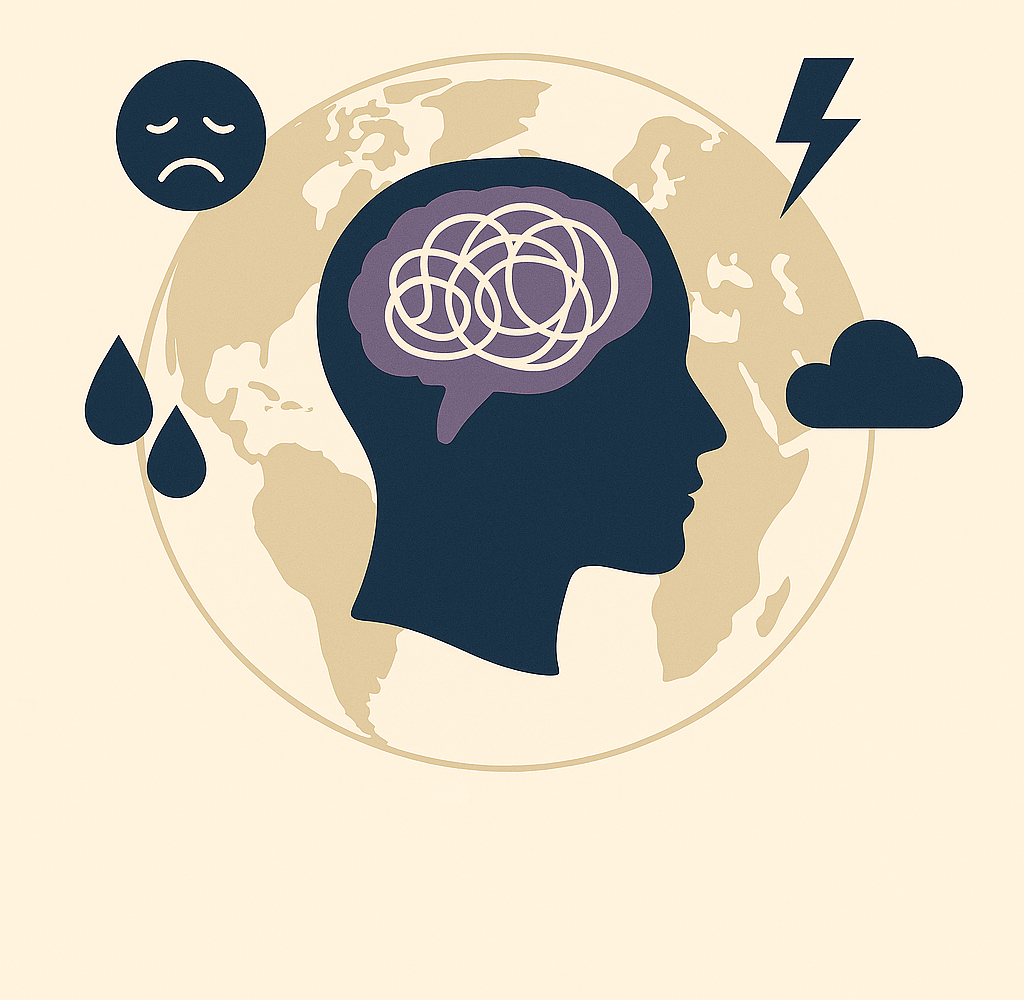
The global mental health crisis is one of the most urgent yet least visible public health challenges of our time. While awareness has grown, millions of people around the world continue to struggle in silence due to stigma, lack of access to care, and the absence of mental health services in many communities. Depression, anxiety, trauma, and substance‑related disorders affect individuals across every age group and region, yet mental health remains chronically underfunded and overlooked in global health systems.
Despite the rising burden of mental illness, most countries lack the infrastructure needed to provide adequate support. In low, and middle‑income nations, mental health services are scarce, often limited to a handful of professionals serving millions of people. Even in wealthier countries, long wait times, high costs, and fragmented systems prevent many from receiving timely care. The result is a widening gap between the growing need for mental health support and the limited resources available to meet it.
Stigma remains one of the most powerful barriers. Cultural norms, fear of judgment, and misconceptions about mental illness keep many individuals from seeking help. This silence deepens suffering, isolates communities, and allows preventable crises, including suicide, addiction, and chronic stress, to escalate. The global mental health crisis is not only a medical issue but a social and economic one, affecting families, workplaces, and entire societies.
Addressing this crisis requires a global commitment to integrating mental health into primary care, expanding community‑based services, and investing in prevention and early intervention. It also demands a cultural shift that treats mental health with the same urgency and legitimacy as physical health. By breaking the silence, reducing stigma, and strengthening support systems, the world can move toward a future where mental well‑being is recognized as a fundamental human right, and where no one is left to suffer alone.