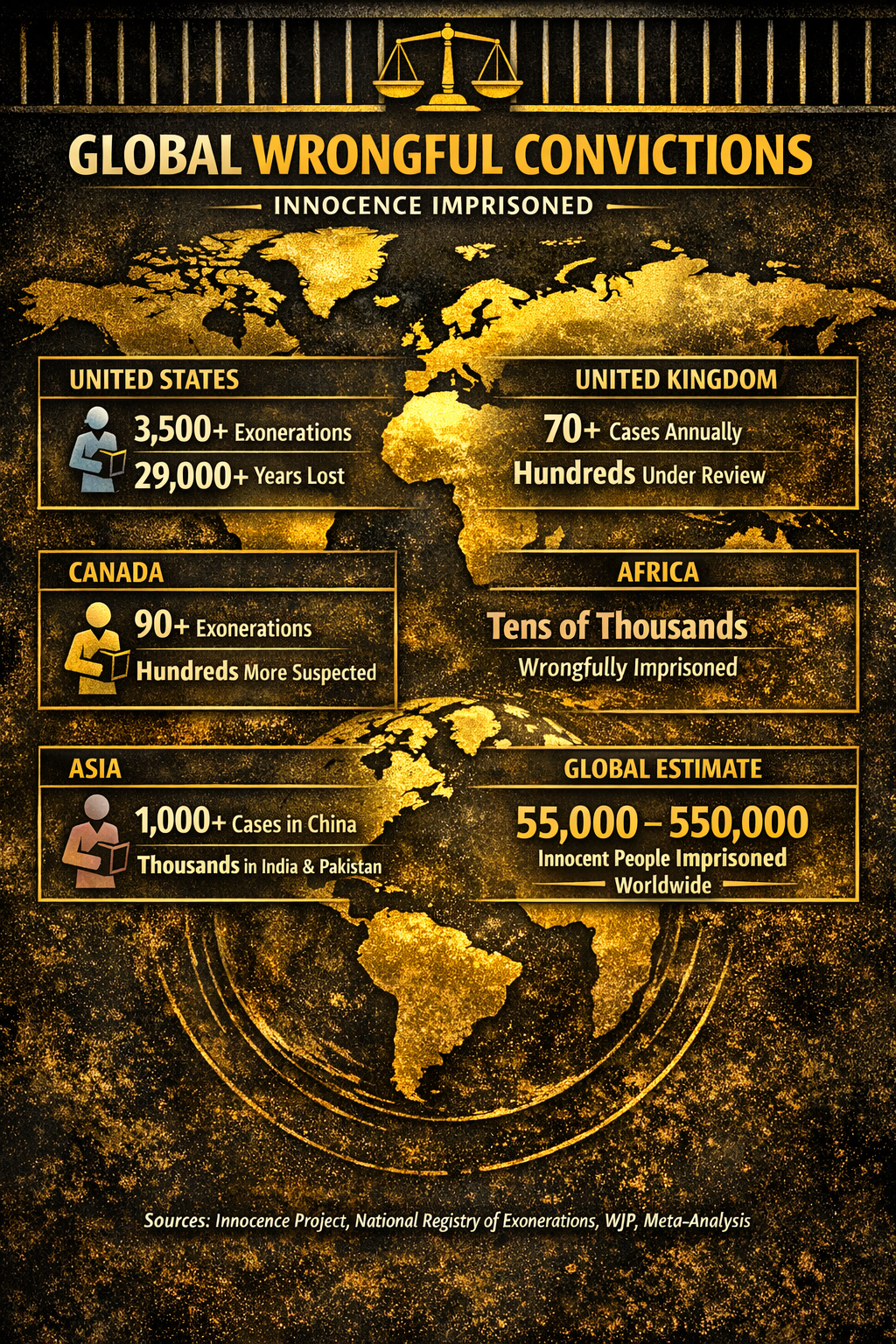
The Emotional Weight of Powerlessness
Tommy Lee Walker’s final hours invite us into the deepest emotional terrain a human can face: the certainty of death, the absence of control, and the haunting question of whether one’s truth will be remembered. This article explores powerlessness not as weakness, but as a crucible, a space where identity, dignity, and resistance are forged. Walker’s story becomes a mirror, reflecting how each of us navigates moments when our voice is dismissed, our choices are stripped, and our humanity is tested.
STORYTELLING
enoma ojo (2025)
1/25/20268 min read
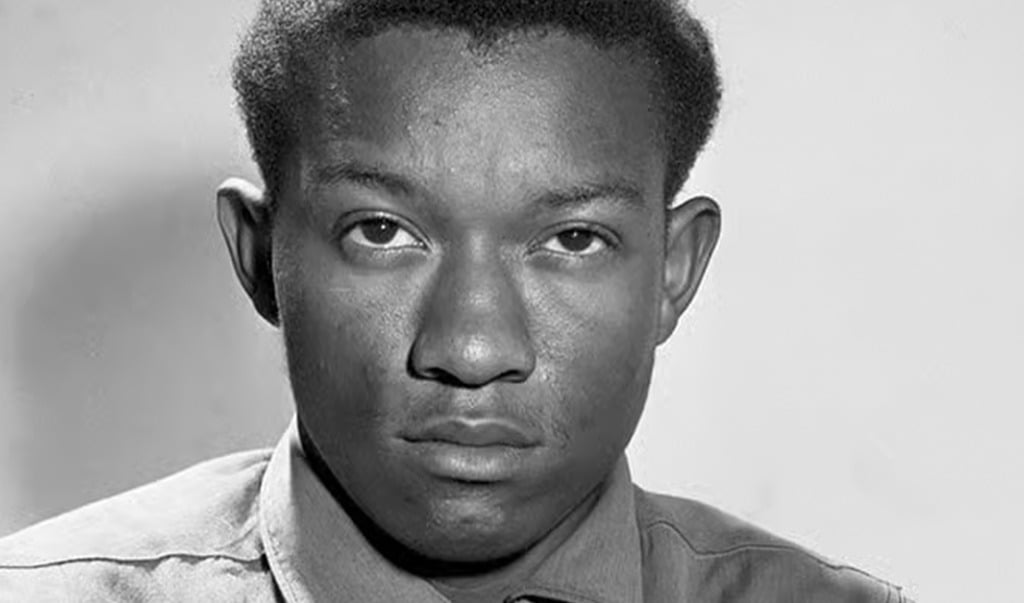
"The Last Morning of Tommy Lee - Walker." This is a true story
Just before dawn on a cold January morning in 1956, a guard walked down the narrow hallway of the Dallas County Jail, his footsteps echoing against concrete walls that had heard too many final breaths. Behind one of those steel doors sat Tommy Lee Walker, nineteen years old, wrists resting quietly in his lap, staring at the faint line of light creeping under the door. It was the kind of light that usually signals a new day. For Tommy, it signaled the last one he would ever see.
He had barely slept. Not because he feared death, though he did, but because he could not understand how a system could take a man’s life when the truth was right there, breathing inside him. Ten witnesses had sworn he was at the hospital, watching his newborn son enter the world at the very moment the crime occurred. He had repeated his innocence until his voice grew hoarse. He had begged the court to listen. But the machinery of the state had already decided who he was, and nothing he said could change it.
As he sat on the edge of the thin cot, Tommy whispered the same sentence he had repeated for months: “I feel that I have been tricked out of my life.” The words hung in the air like a prayer no one intended to answer. Outside his cell, the world was waking up, coffee brewing in kitchens, buses rumbling down early-morning routes, families preparing for another ordinary day. But inside that small concrete room, time felt different. Slower. Heavier. Every second carried the weight of a future collapsing in on itself.
A chaplain stopped by, offering scripture and comfort, but Tommy’s eyes were fixed on the floor. He wasn’t searching for God; he was searching for understanding. How could a boy who had done nothing wrong be walking toward death? How could innocence be so powerless against the machinery of fear, bias, and indifference? When the guards finally came for him, Tommy stood up with a quiet dignity that surprised even them. He did not fight. He did not cry. He simply straightened his shoulders, as if preparing to carry a burden no human being should ever have to bear. As they led him down the hallway, he looked neither left nor right. He walked like a man who had already accepted that the world would not save him.
In the execution chamber, he took one last breath, not of surrender, but of truth. “You give me the chair that belongs to someone else,” he said. “I am innocent.”
Those were his final words.
And in that moment, in that small room where a young father’s life was taken by a system that refused to see him, the emotional architecture of powerlessness revealed itself in its rawest form. Fear. Clarity. Dignity. And the unbearable knowledge that death was coming, and nothing he could do would stop it.
Seventy years later, the world finally listened. But by then, Tommy Lee Walker was long gone.
Powerlessness is one of the most profound emotional experiences a human being can endure. It is not simply the absence of control; it is the presence of fear, uncertainty, and the crushing awareness that nothing you do can alter what is coming. In moments where fate becomes fixed and unavoidable, the human emotional system enters a territory few ever truly understand, a territory where the mind, body, and spirit struggle to reconcile the reality of helplessness. Human beings are wired for agency. We are built to influence our environment, negotiate outcomes, and protect ourselves from harm. Agency is not just a psychological preference; it is a survival instinct. So when that instinct is stripped away, when a person realizes that their voice, their truth, or their innocence cannot change the outcome, the emotional collapse is immediate and devastating.
The first response is often shock. Shock is the mind’s attempt to buffer itself from a reality too large to process. It freezes thought, slows comprehension, and creates a temporary emotional numbness. This is not denial; it is the psyche trying to protect itself from the full weight of what it now knows. Fear follows quickly. But this fear is not the ordinary kind, not the fear of danger you can run from or negotiate with. It is the fear of inevitability. The fear of being unseen. The fear that your humanity will not matter to the forces deciding your fate. This fear is existential, not situational. It is the fear of being erased. As the mind searches for escape routes that do not exist, anxiety intensifies. The emotional system begins to loop, trying to solve a problem that has no solution. This is where helplessness begins to take root. Helplessness is not passive; it is active suffering. It is the emotional suffocation that comes from knowing that your life is being shaped by forces you cannot influence. In cases like the wrongful execution of Tommy Lee Walker, this helplessness becomes even more severe. Walker knew he was innocent. He knew the evidence was false. He knew the system was wrong. And yet, none of it mattered. His emotional world became a case study in what happens when a human being confronts death with no power to stop it.
The emotional weight becomes heavier when the person understands that their truth will not save them. This is the moment when fear transforms into grief, grief for the life being taken, grief for the future that will never unfold, grief for the relationships that will never be repaired. It is grief for the self. Yet within this grief, something unexpected often emerges: dignity. Dignity becomes the final form of resistance. When a person realizes they cannot change the outcome, they begin to focus on the only thing left, their voice, their truth, their final imprint on the world. This is why last words matter. They are the final assertion of identity in a world that has stripped everything else away. This stage of clarity is not acceptance of injustice. It is the acceptance of reality. It is the moment when the human spirit refuses to let fear distort the truth of who they are. It is a final act of self-definition.
The U.S. Department of Justice notes that wrongful accusations often arise from misidentification, bias, coercion, or flawed investigative processes, and the emotional and social damage can be severe even when no criminal conviction occurs. But powerlessness is not confined to courtrooms. It shows up in workplaces across the world. The Equal Employment Opportunity Commission receives tens of thousands of wrongful termination‑related complaints every year, many involving retaliation, discrimination, or false allegations. Behind each complaint is a person who walked into work believing their effort and integrity mattered, only to discover that decisions about their livelihood were being made without their voice. The emotional impact mirrors the same psychological stages: shock at the suddenness, fear about the future, helplessness in the face of organizational power, and grief for the career they built.
Wrongful accusations, whether in professional settings, schools, relationships, or public life, carry their own emotional violence. Research shows that false allegations often arise from misidentification, bias, or flawed investigative processes. Even when no criminal conviction occurs, the damage can be severe: reputations destroyed, relationships fractured, mental health destabilized. The emotional pattern is the same: a person finds themselves fighting a narrative they did not create, trapped in a story they cannot rewrite.
Reflection follows. In these final emotional moments, the person confronts the meaning of their life, their suffering, and the legacy they hope to leave behind. For some, this reflection becomes a form of spiritual resistance, a way to reclaim the narrative even when they cannot reclaim their freedom. But the emotional weight of powerlessness does not end with the individual. It radiates outward, shaping the lives of families, children, and communities for generations. Loved ones carry the trauma of knowing that someone they cherished faced death without protection, without justice, and without the comfort of being believed. This generational grief becomes part of the family’s emotional DNA. Society, too, inherits the residue. Stories like Walker’s expose the fragility of human rights and the ease with which a system can silence a life. They force us to confront the uncomfortable truth that powerlessness is not always a personal failure; sometimes it is a structural design.
Ultimately, the study of powerlessness reveals something essential about human nature. When humans are stripped of control, what remains is the raw essence of their identity, their voice, their truth, their final attempt to be seen before the darkness closes in. Powerlessness does not erase humanity; it reveals it. And in that revelation, we are reminded of our responsibility: to build systems that do not crush the human spirit, to create spaces where truth can be heard, and to ensure that no one faces the weight of helplessness alone.
Tommy Lee Walker’s story is extreme, a young man facing death with no power to stop it, but the emotional architecture of his experience is not limited to death row. It is a magnified version of something millions of people feel every day in quieter, less visible ways. His final hours reveal the universal pattern of what happens when a human being realizes they cannot influence the outcome that is about to shape their life. Powerlessness in the workplace may not look like a courtroom, but the emotional impact can echo the same psychological stages. When decisions are made behind closed doors, when voices are dismissed, when careers are shaped by forces employees cannot influence, the shock, fear, anxiety, and helplessness mirror the same emotional blueprint Walker endured, not in scale, but in structure. People grieve opportunities lost, futures redirected, and identities shaken by choices they did not make.
Powerlessness in life decisions carries its own weight. Whether it is a family dynamic where one person’s voice dominates, a financial crisis that collapses options, or a moment where life changes faster than the mind can process, the emotional experience is the same: the world is moving, and you cannot stop it. The mind searches for control, for negotiation, for a way out, and when none exists, grief and clarity collide. Emotional trauma often begins with powerlessness. Abuse, betrayal, abandonment, and systemic injustice all share a common thread: the person could not prevent what happened to them. Trauma is not just the event; it is the helplessness embedded inside it. It is the moment the person realizes they had no shield, no voice, no escape. Walker’s story exposes this truth in its most brutal form, but the emotional logic applies across the spectrum of human suffering. Life‑threatening events, accidents, medical emergencies, violence, and natural disasters strip away the illusion of control in an instant. The body reacts before the mind can understand. Time slows. Fear sharpens. The world becomes something happening to you rather than something you are participating in. This is the same emotional terrain Walker walked through on his final morning: the knowledge that the outcome is fixed, and the only thing left is how you meet it.
What makes Tommy Lee Walker’s story so powerful is not only the injustice, but also the clarity it gives us about what powerlessness feels like. His experience is a mirror that reflects the emotional truth of every moment in life, where a human being realizes they cannot change what is coming. It shows us that powerlessness is not weakness; it is a human response to circumstances that overwhelm agency. And yet, even in the face of certain death, Walker held onto dignity. He held onto the truth. He held onto the last piece of agency available to him: his voice. That final act, speaking truth into a world that refused to hear it, is the lesson that carries into every workplace, every family, every crisis, every trauma, every moment where control slips away. We cannot always choose our circumstances. But we can choose how we name them, how we respond to them, and how we protect others from facing them alone.
Tommy Lee Walker’s story reminds us that powerlessness is not the end of the human story. It is the beginning of our responsibility to build workplaces where voices matter, families where decisions are shared, systems where justice is real, and communities where no one stands alone in the face of a fate they cannot change. His life was taken by a system that refused to see him. Our task is to build a world where no one’s humanity is ever invisible again.
References
1. Seligman, M. E. P. (1975). Helplessness: On depression, development, and death. W. H. Freeman.
2. van der Kolk, B. A. (2014). The body keeps the score: Brain, mind, and body in the healing of trauma. Viking.
3. Herman, J. L. (1992). Trauma and recovery: The aftermath of violence, from domestic abuse to political terror. Basic Books.
4. Bandura, A. (1997). Self-efficacy: The exercise of control. W. H. Freeman.
5. Foa, E. B., & Rothbaum, B. O. (1998). Treating the trauma of rape: Cognitive-behavioral therapy for PTSD. Guilford Press.
© 2026 Enoma Ojo. Original analysis, narrative framing, and commentary. All rights reserved.