
Opportunity Cost and the Burden of Regret (Behavioral Economy Series Part 3)
This Part series explores the hidden emotional cost behind every choice we make. Economics teaches that opportunity cost is the value of the next‑best alternative, but real life is far more complicated. We don’t just give up options; we give up imagined futures. We grieve the versions of ourselves we never became. And in that quiet space between what is and what might have been, regret takes root. In this piece, I unpack why the mind idealizes the paths we didn’t take, how scarcity intensifies fear and hesitation, and why “irrational” decisions often make perfect emotional sense. This is a deep dive into the psychology of regret, the stories we tell ourselves, and the emotional architecture behind human decision‑making.
BEHAVIORAL ECONOMY
Enoma Ojo (2026)
5/9/202623 min read
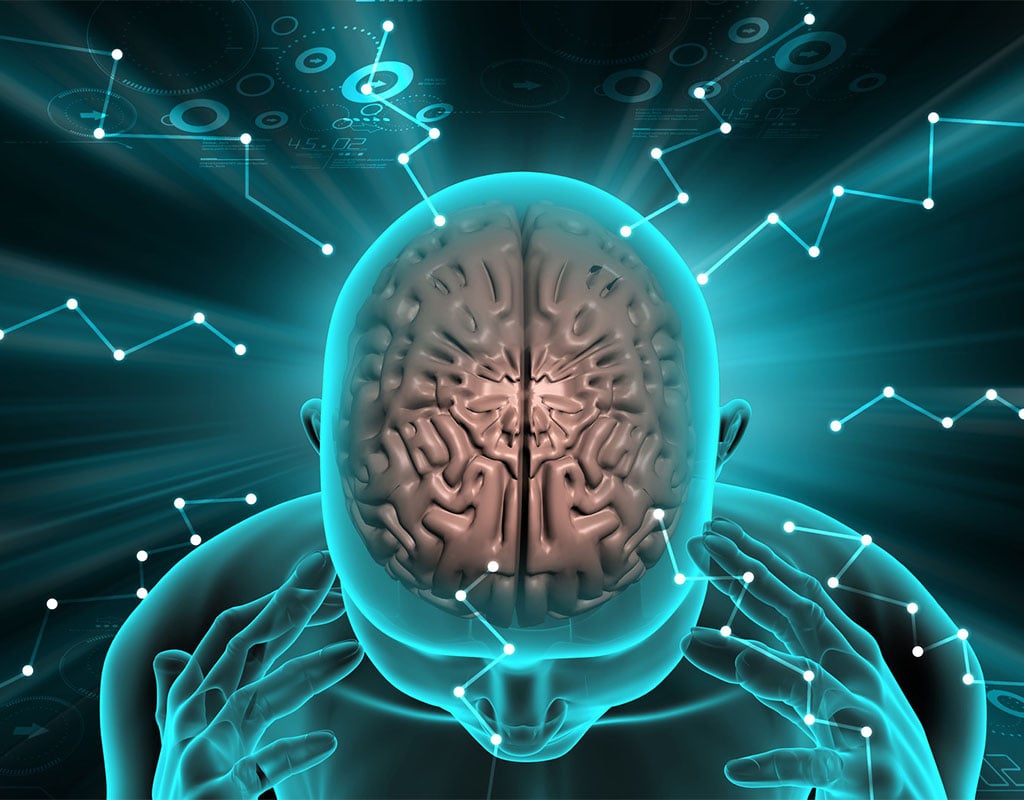
Economists define opportunity cost as the value of the next‑best alternative, the thing you must give up when you choose something else. In theory, it is a rational calculation: compare two options, choose the one with the highest payoff, and accept the loss of the alternative. But humans rarely experience opportunities this way. What looks like a simple trade‑off on paper becomes an emotional negotiation in the mind. The “next‑best alternative” is not just a forgone option; it becomes a story, a possibility, a life we imagine in vivid detail, and that imagined life is what gives opportunity cost its psychological weight.
Part 3 of our Behavioral Economy Series exposes a truth that traditional economics avoids. Every choice carries an emotional shadow, and that shadow shapes behavior more than the choice itself.
Every decision we make, from the trivial to the life‑altering, carries an emotional residue. We often imagine that choices are discrete events, cleanly made and cleanly left behind. But the truth is more complicated. A decision is not a moment; it is a psychological landscape. It is a place the mind returns to, reinterprets, re-evaluates, and sometimes mourns. When we choose one path, we do not simply walk forward. We also leave behind a shadow path, the one we did not take, and that shadow follows us. Humans are the only species capable of constructing elaborate counterfactuals. We imagine not only what is, but what could have been. This ability is the foundation of planning, foresight, and innovation. But it is also the source of regret, hesitation, and emotional burden. The moment we commit to one option, the mind begins to construct an alternate reality in which the unchosen option becomes idealized, polished, and perfected. The alternative becomes a kind of psychological mirage, shimmering, flawless, and always slightly better than the reality we inhabit.
This is the paradox of choice: the more options we have, the more opportunities we create for regret. Modern life, with its abundance of possibilities, does not liberate us. It overwhelms us. Every decision becomes a referendum on our identity, our competence, our worth. Did we choose well? Could we have chosen better? What does our choice say about who we are becoming? Even when our actual choice is good, even when it leads to growth, stability, or joy, the imagined alternative often feels better. Why? Because the alternative is unconstrained by reality. It contains no friction, no uncertainty, no unforeseen consequences. It is a fantasy optimized by hindsight. The mind edits out the risks and amplifies the rewards. It becomes a curated version of the life we didn’t live. This psychological process explains why people hesitate, procrastinate, or avoid decisions entirely. It is not laziness. It is not a lack of discipline. It is the fear of emotional cost, the fear that choosing one path will expose us to the pain of imagining the other. Decision-making becomes a form of emotional risk management. We are not simply choosing between A and B; we are choosing between the emotional consequences of A and the emotional consequences of B.
The emotional price of decision-making is especially high when the stakes are personal. Choosing a career, a partner, a city, a lifestyle, these decisions are not just about outcomes. They are about identity. They shape the narrative we tell ourselves about who we are and who we might become. And because identity is fragile, the fear of choosing “wrong” becomes paralyzing. A wrong choice feels like a wrong self. This is why people cling to indecision. Indecision is not the absence of choice; it is the avoidance of emotional exposure. As long as we do not choose, all possibilities remain open. The mind can continue to imagine multiple futures without committing to any of them. Indecision becomes a psychological shelter, a temporary refuge from the burden of regret. But indecision has its own emotional cost. It creates anxiety, stagnation, and a sense of drifting. The longer we delay, the heavier the decision becomes. The emotional stakes rise, not fall. The mind begins to interpret the delay as evidence of incompetence or fear, which further erodes confidence. Eventually, the decision becomes so emotionally charged that even small choices feel monumental.
This is the hidden architecture of decision-making: We are not choosing between options. We are choosing between emotional futures.
The emotional price of every decision is shaped by three forces:
1. Imagination
The mind constructs vivid counterfactuals, alternate lives that feel real, desirable, and attainable. These imagined lives become benchmarks against which reality is judged.
2. Loss Aversion
We feel the pain of what we give up more intensely than the pleasure of what we gain. This makes every choice feel like a potential loss.
3. Identity Threat
Choices reflect who we believe ourselves to be. A “wrong” choice feels like a threat to our self-concept, making the emotional stakes even higher.
Together, these forces create a psychological environment in which decision-making is not simply a cognitive act but an emotional ordeal. The mind becomes a courtroom where every choice is put on trial, and the verdict is never final. This emotional burden explains why people often choose the familiar over the unknown, even when the unknown holds greater potential. Familiarity feels safe because it minimizes emotional risk. The unknown feels dangerous because it expands the space for regret. We prefer the comfort of predictable dissatisfaction to the terror of uncertain possibility. Yet the irony is that avoiding emotional risk does not protect us from regret. It merely delays it. The regret of inaction, the regret of the life not pursued, is often deeper and more enduring than the regret of a choice gone wrong. But because the regret of action is immediate and vivid, while the regret of inaction is distant and abstract, we choose the path that feels safer in the moment.
The emotional price of every decision is therefore not just the cost of choosing. It is the cost of imagining. It is the cost of caring. It is the cost of being human, and until we understand this, until we recognize that decision-making is an emotional process wrapped in the illusion of rationality, we will continue to misinterpret our own behavior. We will continue to judge ourselves harshly for hesitating, procrastinating, or avoiding choices when in reality we are simply trying to protect ourselves from emotional pain.
The truth is simple: People do not fear decisions. They fear regret, and regret is not a rational calculation. It is an emotional wound.
Why the Mind Struggles With Paths Not Taken
Human beings live not only in the world as it is, but in the world as it might have been. Our minds are built to imagine possibilities, to simulate futures, to reconstruct pasts, and to explore alternate versions of our lives. This ability is one of the most extraordinary features of human cognition. It allows us to plan, to anticipate danger, to innovate, and to adapt. But the same mental machinery that helps us survive also creates a unique form of psychological suffering: the persistent awareness that life could have unfolded differently. The mind does not simply record events; it replays them, revises them, and reimagines them. After every decision, the brain continues to generate alternate scenarios, constructing mental simulations of the paths we did not take. These simulations are not neutral. They are emotionally charged, often idealized, and almost always more polished than the messy reality we inhabit. The unchosen path becomes a kind of psychological fiction, a story crafted with the benefit of hindsight, free from uncertainty, friction, or risk.
This is the essence of counterfactual thinking: the mental habit of imagining how things might have turned out if we had chosen differently. Counterfactuals can be useful when they help us learn from mistakes or refine future decisions. But they can also trap us in loops of longing and regret. The mind whispers its familiar refrains: If only I had… What if I had chosen differently? Would my life be better now? These questions do not simply reflect curiosity; they reflect a deep emotional need to understand our place in the world and to reconcile the tension between who we are and who we might have been. The struggle intensifies because the mind tends to imagine the unchosen path in its best possible form. We rarely picture the alternative going worse. Instead, we imagine it going perfectly. The job we didn’t take becomes the one that would have fulfilled us. The relationship we didn’t pursue becomes the one that would have healed us. The city we didn’t move to becomes the place where everything would have aligned. The risk we didn’t embrace becomes the opportunity that would have changed everything. In this imagined world, the unchosen path is smooth, rewarding, and free of the complications that accompany every real decision.
This upward idealization creates a psychological imbalance. Reality, with all its imperfections, must compete with a fantasy that has none. The life we are living is forced into comparison with a life that exists only in imagination, a life edited by the mind to highlight its rewards and erase its difficulties. No real choice can win against such a comparison. The imagined alternative becomes a benchmark that reality cannot meet. The emotional weight of this comparison is intensified by the human tendency toward loss aversion. We feel the pain of loss more intensely than the pleasure of gain. When we choose one path, we experience the loss of the other, even if the chosen path is good. The unchosen option becomes a psychological possession, something we feel we “had” and then lost, even though it never existed. This creates a strange emotional paradox: we grieve the loss of a life we never lived. The pain is real, even if life is not.
This is why people often say, “I know I made the right choice, but I still wonder,” or “I’m happy, but part of me misses what could have been.” These statements reveal that regret is not always about choosing wrong. Sometimes it is about losing a possibility. The mind mourns the alternate self it never got to become.
The brain’s struggle with paths not taken is rooted in its narrative nature. We do not evaluate choices as isolated events; we evaluate them as stories. Each path becomes a narrative thread in the larger story of our lives. The job we didn’t take becomes a story. The relationship we didn’t pursue becomes a story. The move we didn’t make becomes a story. And the story of the unchosen path is almost always edited to look flawless. The mind becomes a biased storyteller, highlighting the best parts of the alternative and minimizing the challenges we would have faced. It amplifies the potential rewards, removes the uncertainty, and erases the emotional labor. The result is a narrative that is more compelling than reality, not because it is true, but because it is unconstrained. The unchosen path feels perfect because it is incomplete. The mind fills in the gaps with optimism. It is untested, so it has not had the chance to disappoint us. It is safe, because we can imagine its rewards without risking its failures. It is emotionally convenient because it allows us to escape the discomfort of the present by imagining a better way elsewhere. And it is psychologically curated, shaped by our desires, fears, and insecurities.
The emotional burden of imagined lives is not a sign of weakness. It is a sign of humanity. We struggle with paths not taken because we can imagine multiple futures and grieve the ones we did not choose. We struggle because we care about the meaning of our choices. We struggle because we are constantly trying to understand who we are and who we might have been. The mind’s difficulty with unchosen paths is not a flaw in cognition. It is the cost of having a mind capable of imagination, reflection, and meaning-making. The challenge is not to eliminate the struggle; that is impossible. The challenge is to understand it, to recognize its patterns, and to prevent it from distorting our sense of self or our sense of possibility. Because the truth is simple: the path not taken is a story, not a destiny. And the life we are living is the only one that can ever become real.
Scarcity Amplifies Regret
Scarcity changes the emotional chemistry of decision‑making. When time, money, or emotional bandwidth is limited, the stakes of every choice feel heavier than they actually are. A decision that might otherwise be simple becomes charged with meaning. A small risk begins to feel catastrophic. A minor mistake begins to feel irreversible. Scarcity compresses the mind’s sense of safety, narrowing the space in which choices can be made without fear. In conditions of abundance, the mind can afford to be curious, exploratory, even experimental. It can entertain possibilities without feeling threatened by them. But scarcity collapses that freedom. It creates a psychological pressure that tightens around every decision, making the future feel fragile and the present feel precarious. When resources are limited, the margin for error feels nonexistent. The mind begins to interpret every choice as a potential threat to stability. This is why scarcity amplifies regret. When you feel you cannot afford to make a mistake, the fear of choosing wrong becomes overwhelming. The decision is no longer about selecting the best option; it becomes about avoiding the worst outcome. The emotional goal shifts from aspiration to protection. You are no longer choosing to grow; you are choosing not to fall. And when the mind enters this defensive posture, regret becomes a constant companion.
Scarcity also distorts the way we think. It pulls attention toward immediate concerns, narrowing cognitive bandwidth and reducing the ability to think long‑term. The mind becomes preoccupied with the present threat, leaving little room for imagination or strategic reasoning. This narrowing of attention makes it harder to see alternatives, harder to evaluate tradeoffs, and harder to trust one’s own judgment. The decision feels heavier not because the stakes are objectively higher, but because the mind is operating under constraint. In this state, people begin to overthink. They replay scenarios endlessly, searching for the perfect choice, a choice that carries no risk, no uncertainty, no possibility of regret. But such a choice does not exist. The search for perfection becomes a form of paralysis. The mind becomes trapped in analysis, unable to move forward because every option feels dangerous. Overthinking is not a sign of indecision; it is a sign of fear. Scarcity also makes people fear mistakes more intensely. A mistake under abundance feels like a lesson. A mistake under scarcity feels like a threat to survival. The emotional cost of error becomes inflated, and the mind begins to catastrophize. A small setback becomes a symbol of failure. A minor misstep becomes evidence that one is incapable or unlucky. This heightened sensitivity to error makes decision‑making feel like walking a tightrope without a safety net.
In this environment, people cling to the familiar. Familiarity feels safe because it is predictable. Even if the familiar option is suboptimal, it carries less emotional risk. The unknown becomes frightening not because it is inherently dangerous, but because scarcity magnifies the fear of uncertainty. The mind prefers the comfort of what it knows to the possibility of what it does not. This is why people stay in jobs they dislike, relationships that no longer nourish them, or routines that no longer serve them. Scarcity makes the familiar feel like the only safe harbor. Risk becomes something to avoid, even when the risk is rational. Scarcity makes the mind overly cautious, overly protective, and overly focused on avoiding loss. The potential gains of a choice become overshadowed by the potential losses. The emotional weight of “what if it goes wrong” becomes heavier than the intellectual understanding of “what if it goes right.” Scarcity does not simply limit resources; it limits imagination. It constrains the mind’s ability to envision positive outcomes, making the future feel smaller and more threatening.
This contraction of imagination is one of scarcity’s most damaging effects. When the mind cannot imagine a better future, it cannot choose toward one. It becomes trapped in a loop of defensive decision‑making, always trying to minimize regret rather than pursue possibilities. The world becomes narrower, options become fewer, and the self becomes smaller. Scarcity does not just shape behavior; it shapes identity, and yet, the tragedy is that scarcity often creates the very regret it seeks to avoid. In trying to protect ourselves from the pain of choosing wrong, we choose too little. We choose too safely. We choose in ways that preserve the present but sacrifice the future. The regret of inaction, the regret of life not pursued, becomes the quiet, enduring consequence of decisions made under pressure. Scarcity amplifies regret because it amplifies fear. It compresses the mind’s sense of possibility and magnifies the emotional cost of every choice. It makes the future feel fragile, and the present feel dangerous. And in that emotional landscape, regret becomes not just a response to past decisions, but a constant shadow over the decisions yet to be made.
The Regret Loop
Regret is not a single emotion. It is a cycle, a self‑reinforcing psychological loop that begins long before a decision is made and continues long after the moment has passed. Most people think regret happens only after a choice, but the truth is more complicated. Regret begins with anticipation, grows in hesitation, intensifies in uncertainty, and lingers in reflection. It is a loop the mind enters almost automatically, especially when the stakes feel high or the future feels fragile. The loop begins with the fear of regret itself. Before we choose anything, the mind projects forward, imagining the possibility of choosing wrong. This anticipation of regret is powerful enough to shape behavior on its own. It makes us hesitate, stall, and second‑guess ourselves. The mind becomes preoccupied with the possibility of future pain, and this imagined pain becomes more influential than the actual consequences of the decision. We begin to fear not the choice itself, but the emotional aftermath we believe might follow.
Hesitation then becomes its own emotional event. The longer we delay, the heavier the decision feels. The mind interprets hesitation as evidence that the choice is dangerous, that the stakes are higher than they really are, that the wrong move could unravel something essential. This interpretation intensifies anxiety, which in turn makes the decision feel even riskier. The emotional weight grows, not because the decision has changed, but because our relationship to it has. When we finally make a choice, often out of exhaustion rather than clarity, the mind does not rest. Instead, it turns backward, replaying the decision from every angle. It begins constructing counterfactuals, imagining how things might have unfolded if we had chosen differently. These imagined alternatives are rarely neutral. They are idealized, perfected, stripped of uncertainty, and filled with the rewards we fear we forfeited. The unchosen path becomes a psychological sanctuary, a place where everything seems to go right simply because it never had the chance to go wrong.
This is where regret takes root. The mind compares the imperfect reality of the chosen path with the flawless fantasy of the unchosen one. Reality, with its friction and unpredictability, cannot compete with a story edited by hindsight. The comparison is unfair, but the emotional impact is real. We begin to feel that we have lost something valuable, even if the loss exists only in imagination. The regret is not about the actual outcome; it is about the imagined one. As regret settles in, it reinforces the fear that begins the loop. The mind uses regret as evidence that decisions are dangerous, that choices lead to pain, that the future is a minefield of emotional risk. This reinforces the anticipation of regret the next time a decision arises. The loop tightens. The fear grows. The hesitation deepens. The imagination becomes more vivid. The emotional cost of choosing increases. And the cycle repeats.
This loop explains why people often remain stuck in situations that no longer serve them. The fear of regret becomes more powerful than the discomfort of the present. A stagnant job feels safer than the risk of a new opportunity. A strained relationship feels more predictable than the uncertainty of leaving. A familiar routine feels more manageable than the possibility of change. The mind convinces itself that staying still is safer than moving forward, even when staying still is its own form of loss. The tragedy is that the regret loop often creates the very regret it seeks to avoid. In trying to protect ourselves from the pain of choosing wrong, we choose too little. We choose too safely. We choose ways that minimize emotional exposure but also minimize growth. The regret of inaction, the regret of life not pursued, becomes the quiet, enduring consequence of decisions made in fear. The loop persists because it is rooted in the architecture of the human mind. We imagine possibilities. We fear loss. We idealize alternatives. We judge ourselves harshly. We long for certainty in a world that offers none. The regret loop is not a sign of weakness; it is a sign of humanity. It reflects the depth of our imagination, the sensitivity of our emotions, and the complexity of our inner lives.
Breaking the loop does not mean eliminating regret; that is impossible. Regret is part of being human. But understanding the loop allows us to see it for what it is: a psychological pattern, not a prophecy. A story, not a sentence. A habit of mind, not a reflection of our worth. The power of the regret loop lies in its invisibility. The moment we see it clearly, it begins to lose its grip. And in that clarity, the possibility of choosing freely, without fear, without paralysis, without the shadow of imagined futures, becomes real again.
Why Irrational Choices Become Emotionally Rational
From the outside, human behavior often appears illogical. People stay in jobs that drain them, relationships that diminish them, routines that no longer nourish them. They turn down opportunities that could transform their lives. They cling to habits that limit their growth. To an economist, these choices look inefficient. To a rational observer, they look self‑defeating. But to the person making the choice, they make emotional sense. What appears irrational from a distance is often perfectly rational when viewed through the lens of emotional survival. Human beings do not make decisions in a vacuum. Every choice is filtered through a complex web of memories, fears, hopes, insecurities, and past experiences. The mind is not a calculator; it is a storyteller, a protector, a meaning‑maker. It does not simply weigh costs and benefits. It weighs emotional safety against emotional risk. It weighs the comfort of the known against the uncertainty of the unknown. It weighs the possibility of regret against the possibility of reward. And in this emotional calculus, the “irrational” choice often becomes the one that feels safest. People choose stability over opportunity, not because they lack ambition, but because stability offers protection from emotional exposure. The family may be unsatisfying, but it is predictable. It does not threaten identity. It does not demand reinvention. It does not risk the pain of discovering that the hoped-for future might not materialize. The unknown, by contrast, carries the possibility of disappointment, failure, or regret. And for many, that emotional risk feels heavier than the potential reward.
This is why people cling to routines that no longer serve them. A routine, even a stagnant one, creates a sense of continuity. It anchors the self. It provides a rhythm that quiets the mind’s anxieties. Breaking that rhythm requires confronting uncertainty, and uncertainty is emotionally expensive. The mind prefers the discomfort it knows to the discomfort it cannot predict. Fear plays a central role in this emotional logic. Fear of failure. Fear of loss. Fear of judgment. Fear of discovering that one is not as capable, resilient, or lucky as hoped. These fears are not abstract; they are embodied. They live in the nervous system, shaping behavior long before the conscious mind becomes aware of them. When fear is present, the emotional cost of taking a risk becomes magnified. A choice that might be rational on paper becomes emotionally dangerous in practice. Identity also shapes what appears rational. People make choices that protect their sense of self, even when those choices limit their growth. A person who has always seen themselves as cautious will avoid bold decisions because boldness threatens their self‑concept. A person who has internalized the belief that they are unlucky will avoid opportunities because opportunities feel like traps. A person who has been hurt in the past will avoid vulnerability because vulnerability feels like danger. These choices are not irrational; they are attempts to preserve psychological coherence.
The past exerts its own gravitational pull. Experiences of failure, rejection, or instability leave emotional imprints that shape future decisions. The mind remembers pain vividly and generalizes it broadly. A single disappointment can become a template for interpreting future risks. A single betrayal can become a reason to distrust future possibilities. A single failure can become a lifelong cautionary tale. The emotional memory of pain becomes a silent advisor, whispering warnings that shape behavior long after the original event has passed. Even hope can distort rationality. Hope is powerful, but it is also selective. People sometimes stay in situations that harm them because they hope things will improve. They hope the job will get better, the relationship will change, and the circumstances will shift. Hope becomes a form of emotional inertia, keeping them rooted in place even when logic suggests they should move on. This is not irrational; it is human. Hope is one of the mind’s most enduring survival strategies.
What economists call “irrationality” is often the mind’s attempt to avoid emotional pain. The brain is constantly scanning for threats, not just physical threats, but psychological ones. Threats to identity. Threats to stability. Threats to belonging. Threats to self‑worth. When a choice carries the possibility of emotional harm, the mind will often choose the option that minimizes that harm, even if it means sacrificing long‑term benefit. This is emotional rationality: the logic of self‑protection. The tragedy is that emotional rationality can create long‑term regret. The choices that feel safest in the moment can become choices that limit us over time. The avoidance of emotional risk can lead to the accumulation of emotional stagnation. The desire to protect the self can prevent the self from evolving. And the fear of regret can create the very regret we sought to avoid. Yet it is important to understand that these choices are not failures of logic. They are reflections of the emotional architecture of the human mind. They reveal the depth of our vulnerability, the complexity of our inner lives, and the profound influence of fear, memory, and identity on our behavior. To judge these choices as irrational is to misunderstand the nature of human decision‑making. People are not optimizing machines. They are emotional beings navigating a world filled with uncertainty, longing, and risk.
When we recognize this, compassion replaces judgment. Understanding replaces frustration. And the choices that once seemed irrational begin to make sense, not as failures of logic, but as expressions of emotional truth.
The Hidden Cost of Regret Avoidance
Avoiding regret feels like self‑protection. It feels like wisdom, caution, and maturity. It feels like the responsible thing to do. Most people believe that if they can simply avoid making the “wrong” choice, they can avoid the emotional pain that comes with it. But regret avoidance has a cost of its own, a cost that is often deeper, quieter, and more enduring than the regret we fear. When we make decisions primarily to avoid regret, we are not choosing toward possibility; we are choosing away from fear. The emotional compass shifts from aspiration to avoidance. Instead of asking, " What do I want?”, the mind begins asking, What will hurt least if it goes wrong? This shift seems subtle, but it changes everything. It narrows the field of vision. It shrinks the imagination. It transforms the future from a landscape of potential into a minefield of emotional risk.
The first hidden cost of regret avoidance is stagnation. When the fear of choosing wrong becomes stronger than the desire to choose well, movement stops. People remain in situations that no longer serve them because staying feels safer than leaving. They remain in jobs that drain them, relationships that diminish them, routines that suffocate them. They tell themselves they are being prudent, but what they are really doing is protecting themselves from the emotional exposure that comes with change. Over time, this stagnation becomes a kind of quiet erosion, not dramatic, not catastrophic, but steady and relentless. The self becomes smaller, not because of failure, but because of fear. Another cost is the slow accumulation of dissatisfaction. When choices are made defensively, the outcomes rarely align with one’s deeper desires. The life that emerges from regret avoidance is often a life of compromise, not the healthy kind, but the kind that leaves a residue of longing. People wake up years later with a sense that something is missing, though they cannot always articulate what it is. They feel a subtle ache, a muted restlessness, a sense that they have been living adjacent to their own lives. This dissatisfaction is not the result of a single bad decision; it is the cumulative effect of many small decisions made in fear.
Regret avoidance also creates emotional fatigue. Constantly scanning for the “safest” choice is exhausting. The mind becomes hypervigilant, always anticipating potential pain, always rehearsing worst‑case scenarios. This vigilance drains cognitive and emotional resources, leaving little energy for creativity, joy, or exploration. Life becomes a series of calculations rather than experiences. Even when things are going well, the mind remains on guard, waiting for the moment when regret might strike. This constant tension becomes its own form of suffering. Perhaps the most profound cost of regret avoidance is the shrinking of possibility. When the mind is focused on minimizing emotional risk, it cannot fully imagine positive outcomes. Hope becomes muted. Ambition becomes cautious. Dreams become smaller. The future becomes something to endure rather than something to shape. This contraction of possibility is subtle, but it is devastating. It limits not only what we do, but who we become. A life built on regret avoidance is a life that never fully expands into its potential. And yet, the irony is that regret avoidance often creates the very regret it seeks to prevent. The regret of action, the regret of a choice gone wrong, is sharp but temporary. It stings, but it teaches. It wounds, but it heals. The regret of inaction, however, is different. It is diffuse, lingering, and difficult to resolve. It is the regret of life not lived, the self not expressed, the possibility not pursued. This regret does not fade easily because it has no clear moment of origin. It accumulates quietly over time, becoming heavier with each passing year.
People often fear the regret of making a mistake, but the deeper regret, the one that haunts people in later life, is the regret of not trying. The regret of playing small. The regret of choosing safety over self. The regret of letting fear shape the architecture of their lives. This is the hidden cost of regret avoidance: it trades short‑term emotional comfort for long‑term emotional loss.
Understanding this does not make regret avoidance disappear. The fear of regret is deeply human. But seeing the pattern clearly allows us to question it. It allows us to recognize when we are choosing from fear rather than desire. It allows us to ask whether the emotional safety we are protecting is worth the life we are sacrificing. It allows us to see that regret is not something to be avoided at all costs, but something to be understood, integrated, and transformed. The truth is that regret is not the enemy. Regret is a teacher. It reveals what matters. It clarifies values. It sharpens priorities. It shows us where we have betrayed ourselves and where we have honored ourselves. The goal is not to eliminate regret, but to live in a way that ensures our regrets are meaningful, the kind that come from trying, from reaching, from choosing boldly, from living fully.
The hidden cost of regret avoidance is the quiet loss of a life that could have been larger, richer, and more authentic. And once we see that cost clearly, the question shifts from How do I avoid regret? To what kind of regret am I willing to live with? The regret of trying and failing, or the regret of never trying at all.
Opportunity cost has always been presented as a simple economic idea: the value of the next‑best alternative, the price of the road not taken. But beneath that tidy definition lies a far more complicated truth. Opportunity cost is not merely an economic calculation; it is an emotional experience. It is the quiet ache of imagining the life that could have unfolded if we had chosen differently. It is the weight of unrealized futures pressing against the life we are living now. Every choice we make creates a parallel life we will never inhabit. And the mind, with its relentless capacity for imagination, does not let those parallel lives disappear. It revisits them, reconstructs them, and idealizes them. It turns them into stories, stories that feel vivid, seductive, and painfully possible. The emotional burden of opportunity cost is not the loss of an option; it is the loss of a self. A self we might have become. A self we sometimes believe we should have become.
This is why regret feels so heavy. It is not simply disappointment in an outcome. It is grief for an unlived life. It is the mourning of a version of ourselves that exists only in imagination. And because the imagined self is unconstrained by reality, it often feels more perfect than the self we are becoming. The comparison is unfair, but the emotional impact is real.
Until we understand this burden, until we recognize that opportunity cost is not just a rational trade‑off but an emotional reckoning, we cannot understand human decision‑making. We cannot understand why people hesitate, why they cling to the familiar, why they avoid risk even when the risk is rational. We cannot understand why the fear of regret shapes behavior more powerfully than the promise of reward.
Opportunity cost is not simply the value of what we give up.
It is the emotional weight of imagining the life we didn’t choose.
And until we see how that weight shapes our choices, until we acknowledge the invisible pressure of regret, anticipation, fear, and longing, we will continue to misunderstand ourselves. We will continue to believe that our decisions are purely logical when, in truth, they are deeply human.
To understand opportunity cost is to understand the architecture of regret.
To understand regret is to understand the architecture of the mind.
In the end, to understand the mind is to finally see that human decision‑making is not a matter of perfect rationality, but a matter of emotional truth.
This is the real opportunity: the opportunity to see ourselves clearly, to choose with awareness, and to live with the knowledge that every path, chosen or unchosen, is part of the story of being human.
References
1. Kahneman, D., & Tversky, A. (1979). Prospect theory: An analysis of decision under risk. Econometrica, 47(2), 263–291.
2. Loomes, G., & Sugden, R. (1982). Regret theory: An alternative theory of rational choice under uncertainty. The Economic Journal, 92(368), 805–824.
3. Zeelenberg, M. (1999). Anticipated regret, expected feedback, and behavioral decision making. Journal of Behavioral Decision Making, 12(2), 93–106.
4. Roese, N. J. (1997). Counterfactual thinking. Psychological Bulletin, 121(1), 133–148.
5. Tversky, A., & Kahneman, D. (1981). The framing of decisions and the psychology of choice. Science, 211(4481), 453–458.
6. Mullainathan, S., & Shafir, E. (2013). Scarcity: Why having too little means so much. Times Books. (Foundational for scarcity + cognitive load + decision distortion)
7. Sagi, A., & Friedland, N. (2007). The cost of richness: The effect of the size and diversity of decision sets on post-decision regret. Journal of Personality and Social Psychology, 93(4), 515–524.
8. Schwartz, B. (2004). The paradox of choice: Why more is less. HarperCollins. (Explains how abundance increases regret and emotional burden)
9. Connolly, T., & Zeelenberg, M. (2002). Regret in Decision Making. Current Directions in Psychological Science, 11(6), 212–216.
10. Bell, D. E. (1982). Regret in Decision Making under Uncertainty. Operations Research, 30(5), 961–981.
© 2026 Enoma Ojo. All rights reserved.
No part of this publication may be reproduced, distributed, or transmitted in any form or by any means, including photocopying, recording, or other electronic or mechanical methods, without the prior written permission of the author, except in the case of brief quotations embodied in critical reviews and certain other noncommercial uses permitted by copyright law.