
On Self‑Understanding
Clarity begins the moment we stop running from ourselves. What we refuse to face within becomes the very thing that shapes our lives without. That is self
INSIGHTS
enoma ojo (2026)
6/7/20261 min read
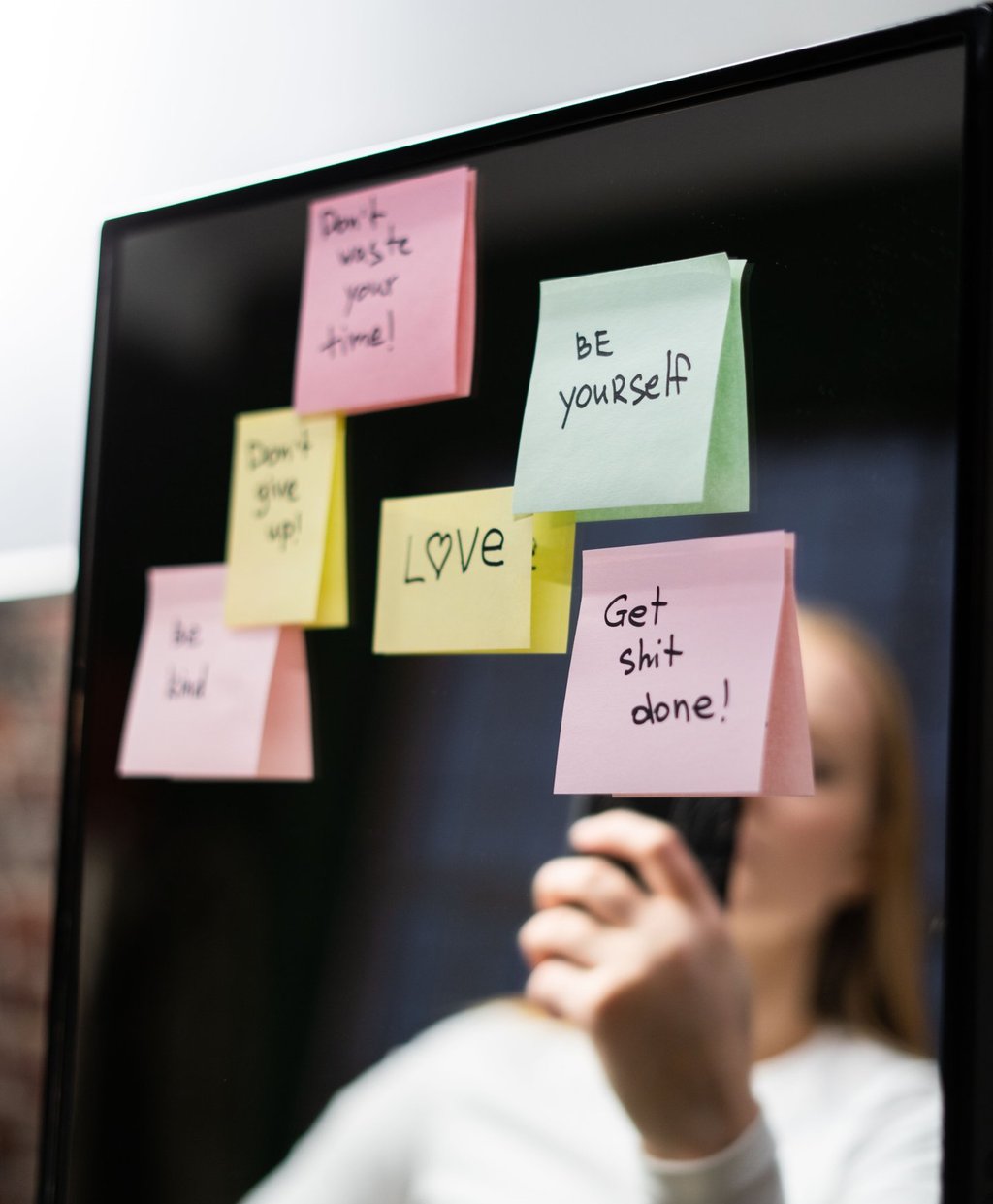
At 5:12 a.m., in a quiet Arlington, Texas, neighborhood, long before the city woke, Osato sat alone in her car outside the gym. The engine was off, the world was quiet, and yet her chest felt loud. She had told herself she was here to “build discipline,” to “start fresh,” to “finally get her life together.” But as she stared at the fog gathering on the windshield, she realized she wasn’t avoiding the gym, she was avoiding herself. The moment she stepped inside, she would have to confront the truth she had been outrunning for years: she wasn’t tired of exercise; she was tired of pretending she didn’t feel broken.
She exhaled, and for the first time in a long time, she didn’t look away from the feeling.
Most people assume that avoidance protects them, but avoidance is simply a different kind of exposure. The parts of ourselves we push away do not disappear; they reorganize themselves into patterns, reactions, and choices that speak on our behalf. Unacknowledged fear becomes control. Unnamed grief becomes distance. Unexamined desire becomes restlessness. The inner world always finds a way to express itself, even when we believe we are hiding it. Psychology has long shown that unacknowledged emotions don’t disappear; they simply reappear as patterns, impulses, and behaviors outside our awareness (Nisbett & Wilson, 1977).
Self‑understanding begins with the courage to turn inward without judgment. It is the willingness to sit with the discomfort of our own truth long enough for it to soften. When we stop running, we stop distorting. When we stop distorting, we begin to see. And when we begin to see, we finally gain the power to choose a life shaped by intention rather than by the shadows we’ve been trying to outrun.
Reference
Nisbett, R. E., & Wilson, T. D. (1977). Telling more than we can know: Verbal reports on mental processes. Psychological Review, 84(3), 231–259.
© 2026 Enoma Ojo. All rights reserved.