
Mahatma Gandhi and the dignity of labor.
In a world where inequality continues to widen, Gandhi’s principle feels even more urgent. When societies devalue certain forms of labor, domestic work, caregiving, sanitation, and agriculture, they devalue the people who perform them. And when people are devalued, inequality becomes inevitable. Gandhi’s vision challenges us to rebuild our systems around respect, fairness, and shared responsibility. It reminds us that dignity is not something granted by society; it is something inherent in every human being. And any society that forgets this truth begins to fracture from within.
ARTICLES & ESSAYS
Enoma Ojo (2022)
1/16/20264 min read
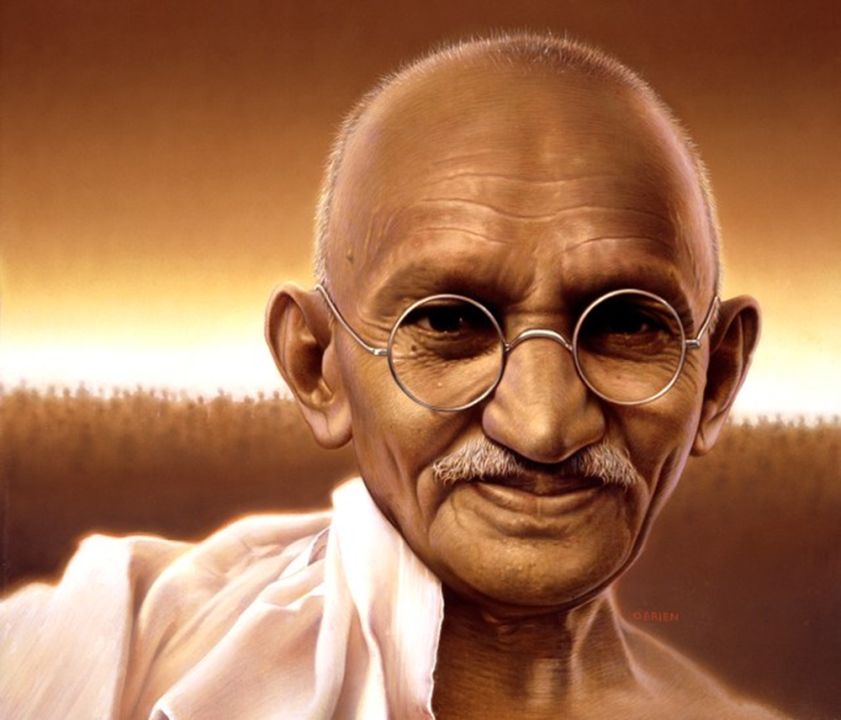
Mohandas Karamchand Gandhi was an Indian lawyer, the foremost anti-colonial nationalist and socio-political leader with strong ethical values. Gandhi led the non-aggressive resistance for the successful campaign that led to India's sovereignty from British rule and was to later inspire the global movements for civil rights and freedom. Gandhi was very concerned and critical about ethics and was devoted to moral principles that govern human behavior. He believed in the dignity of labor and that one respects all jobs equally and does not consider one job superior to another. Gandhi believed in the respect for labor and positions in the workplace. Mahatma Gandhi had the usual desire for justice and equality, and he was motivated by a strong ethical value of right and wrong. He was very principled, empathetic, warm-hearted, and supportive.
The dignity of labor is the philosophy that all types of jobs and positions are respected equally, no occupation is considered superior or inferior to another, and none of the jobs should be grouped on any basis. Jobs are either physical or mental, and it is held that any type of job deserves respect. Simply put, any form of work, manual or intellectual, is called labor, and respecting any kind of job is called "dignity of labor". Jobs are classified based on tasks and responsibilities, and within a work setting, jobs are designed in a standardized scale based on overall assignment, duties and responsibilities, pay level, and tasks assigned to them.
The dignity of labor is one of the foremost principles in the religious parlance. In Roman Catholicism, the dignity of work and the rights of workers and the affirmation of the dignity of human labor are found in several papal letters sent to all Bishops of the Roman Catholic Church, most notably the prominent writing of Pope John Paul II's Laborem Exercens (1981). This writing focused specifically on the meaning of work. It defines work as any form, manual or intellectual, and applying respect to the meaning of work is called "dignity of labor". Laborem Exercens argued that the dignity of labor is such that laborers are entitled to a stake in the business and goods that they jointly produce, and thus share in the decisions concerning the workflow and proceeds thereof. The dignity of labor for an individual worker is lived out in society by the fulfillment of personal responsibilities. Work is one important responsibility that shapes and fulfills human dignity by providing for the personal needs and those of the family.
Corporate leaders are often guilty of violating their employees' dignity at the workplace. The scope ranges from disregarding employees’ fears, failing to understand a job well done, or even engaging in unfair treatment between two employees. Studies have shown that, on average, fewer than 10 percent of organizations refer to discrimination, intimidation, and provocation as barriers to workplace dignity. Dignity of labor, in the workplace, involves actively creating a workplace environment that encourages respect and acceptance. Any form of bullying, harassment, or discrimination is not allowed. Adherence to the corporate core values of fairness, diversity and inclusion, accountability, and honesty should be of utmost importance. Workplace dignity is a key element of a healthy work environment. A culture of dignity promotes self-respect, pride and self-worth, influences an organization's ability to foster wellbeing, and drives efficiency and sustainable corporate results.
CEOs are often tasked with designing a work environment that encourages a culture of fairness, which can be quite challenging. To create a positive culture, the CEOs must not only promote this behavior, but they must also understand its importance. Employees who feel they are treated with respect and dignity are more engaged and productive than those who are not. Showing trust, granting autonomy, and recognizing the value of individual contributions all build employees' sense of ownership of their work. There should be a standard framework for ensuring all workers are treated fairly and equally. This framework should ensure that the workplace is free from bullying and harassment, workers are treated with dignity and respect, and often experience no form of victimization, and are appreciated for the skills, abilities, and intellectual capabilities they contribute to the organization’s success.
Corporate leaders should show trust, build relationships, be supportive and warm-hearted, recognize the value of the contribution by every worker in the organization, and ultimately create an employee ownership culture. The philosophy of empathy and mutual respect must prevail in a work setting. CEOs must recognize and appraise the contributions of every worker, offer encouragement and support, empower and delegate tasks, and promote work-life balance. Workplace dignity is sacrosanct. Workers value the appreciation of their effort, fair treatment, trust, autonomy, and freedom of expression. Gandhi’s teaching on the dignity of labor is more than a moral lesson, it is a blueprint for a just society. He reminded us that no nation can rise when it looks down on the hands that build it. The moment we divide work into “high” and “low,” we divide people into worthy and unworthy, visible and invisible. Gandhi rejected that hierarchy with his life. He showed that true leadership begins with service, and true equality begins with respect for every form of honest work.
In a world still shaped by inequality, his message cuts through the noise with startling clarity: the value of a person is never determined by the prestige of their labor, but by the humanity they bring to it. When societies honor all work — from caregiving to sanitation, from farming to teaching, they honor the people who sustain their collective life. The dignity of labor is not a sentimental idea. It is a foundation for stability, fairness, and shared progress. It calls us to build systems where contribution matters more than status, where service is celebrated, and where every individual can stand tall in the work of their hands.
Mahatma Gandhi had the belief that challenging his self-discipline heightened his commitment to achieving his goals. Mahatma was an epitome of the present-day focused leaders who have the “do or die” attitude to work and corporate goals. If the dignity of labor must be protected, then the rights of the worker must be protected, the right to productive work, the right to decent and fair wages, and the right to a fair share to the ownership of the organization. Overall, corporate leaders must see their positions as equally dignifying as that of the bellhop
.© 2026 Enoma Ojo. All Rights Reserved.