
Cognitive Biases: How the Mind Tricks Us Every Day
A deep dive into the invisible forces that shape human thought. This piece uncovers how cognitive biases quietly guide our judgments and reactions, and invites readers to reclaim clarity by understanding the mind’s hidden patterns.
enoma ojo (2023)
1/8/20263 min read
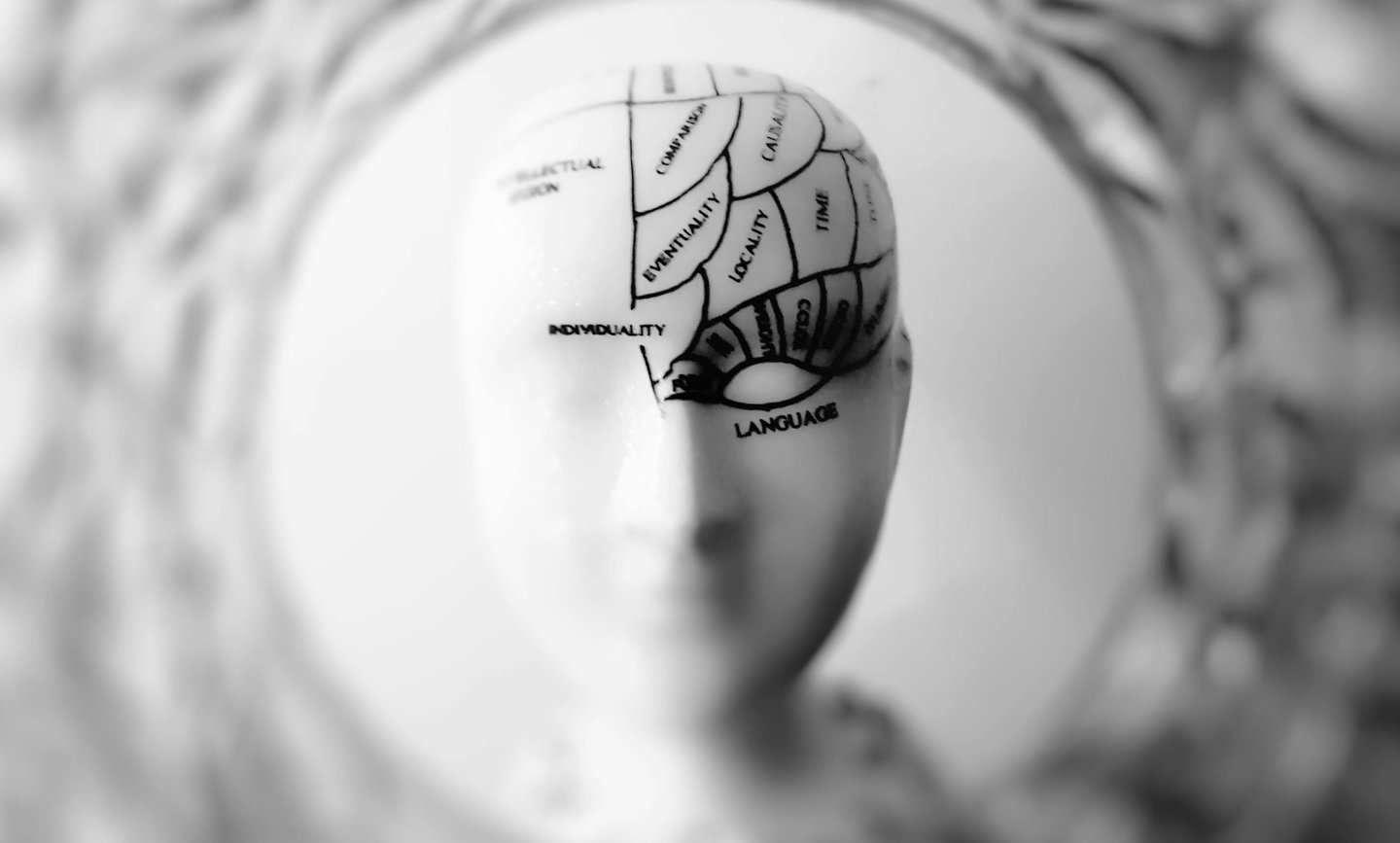
Cognitive biases are the mental shortcuts our brains use to make sense of the world quickly. While these shortcuts help us navigate daily life, they also distort our perception of reality. Instead of seeing things as they truly are, we often see them through filters shaped by past experiences, emotions, and expectations. These biases operate quietly in the background, influencing our decisions without our awareness. One of the most common biases is confirmation bias, where we tend to seek out information that supports our existing beliefs. This bias makes us gravitate toward familiar ideas and reject anything that challenges our worldview. As a result, we often reinforce our assumptions instead of questioning them, which can limit growth and deepen misunderstandings.
Another powerful influence is anchoring bias, which occurs when the first piece of information we encounter becomes the reference point for everything that follows. Whether it’s the first price we see or the first impression we form, that initial anchor shapes our judgment. Even when new information appears, the anchor continues to pull our thinking in a particular direction. The availability bias affects how we judge the likelihood of events. Our minds confuse what is memorable with what is common. Dramatic or recent events feel more significant than they actually are, leading us to overestimate risks or misjudge patterns. This bias explains why vivid stories often outweigh statistical facts in our decision‑making. The halo effect is another subtle distortion, where one positive trait influences how we perceive a person’s entire character. If someone appears confident, attractive, or skilled in one area, we tend to assume they excel in others. This bias can lead to unfair advantages or unrealistic expectations, shaping relationships and evaluations in ways we don’t always recognize.
The sunk cost fallacy keeps us tied to decisions that no longer serve us simply because we’ve already invested time, money, or emotion. Instead of letting go, we hold on, hoping our investment will eventually pay off. This bias traps us in unproductive situations and prevents us from making choices based on present value rather than past effort. Understanding cognitive biases matters because they influence everything from personal relationships to professional decisions. When we become aware of these mental shortcuts, we gain the ability to pause, question, and choose more intentionally. Awareness doesn’t eliminate bias, but it reduces its power to control us. Ultimately, recognizing cognitive biases is an act of clarity and self‑leadership. It allows us to see the world, and ourselves, with greater honesty. By understanding how the mind can trick us, we become better thinkers, better decision‑makers, and more compassionate observers of human behavior. Awareness becomes a quiet strength that guides us toward wiser choices.
Humans can begin overcoming cognitive biases by slowing down their thinking. Biases thrive in fast, automatic reactions, so creating even a small pause before making decisions helps interrupt mental shortcuts. This intentional slowing allows the mind to shift from instinctive responses to more deliberate reasoning, especially in emotionally charged or high‑stakes situations. Another effective strategy is to challenge initial assumptions by asking better questions. Instead of accepting the first thought that appears, individuals can ask what evidence might disprove their belief or what alternative explanations exist. Seeking out opposing viewpoints also weakens confirmation bias, expands understanding, and builds intellectual humility. Exposure to different perspectives helps people see beyond their own mental filters. Using data instead of relying solely on memory is another way to counter bias. The mind often confuses what is vivid with what is true, so grounding decisions in facts, statistics, and objective information reduces the influence of availability bias. Similarly, evaluating traits independently helps counter the halo effect, ensuring that one positive or negative impression doesn’t distort the entire judgment of a person or situation.
Finally, self‑awareness and reflection play a crucial role in reducing bias. Journaling decisions, noticing emotional triggers, and inviting honest feedback from others reveal blind spots that are difficult to see alone. Letting go of past investments, the sunk cost fallacy, also frees individuals to make choices based on present value rather than outdated commitments. Overcoming cognitive biases isn’t about eliminating them but about recognizing their patterns and choosing to think with greater clarity and intention
© 2026 Enoma Ojo. All rights reserved. No part of this content may be reproduced, distributed, or transmitted in any form without prior written permission.