
Can Humans Truly Love in a Digital Age?
A thoughtful exploration of how technology is reshaping human connection, this article examines whether true love can survive in a world of screens, distractions, and digital illusions, and what it takes to build real intimacy today.
Enoma Ojo, PhD (2025)
1/8/20264 min read
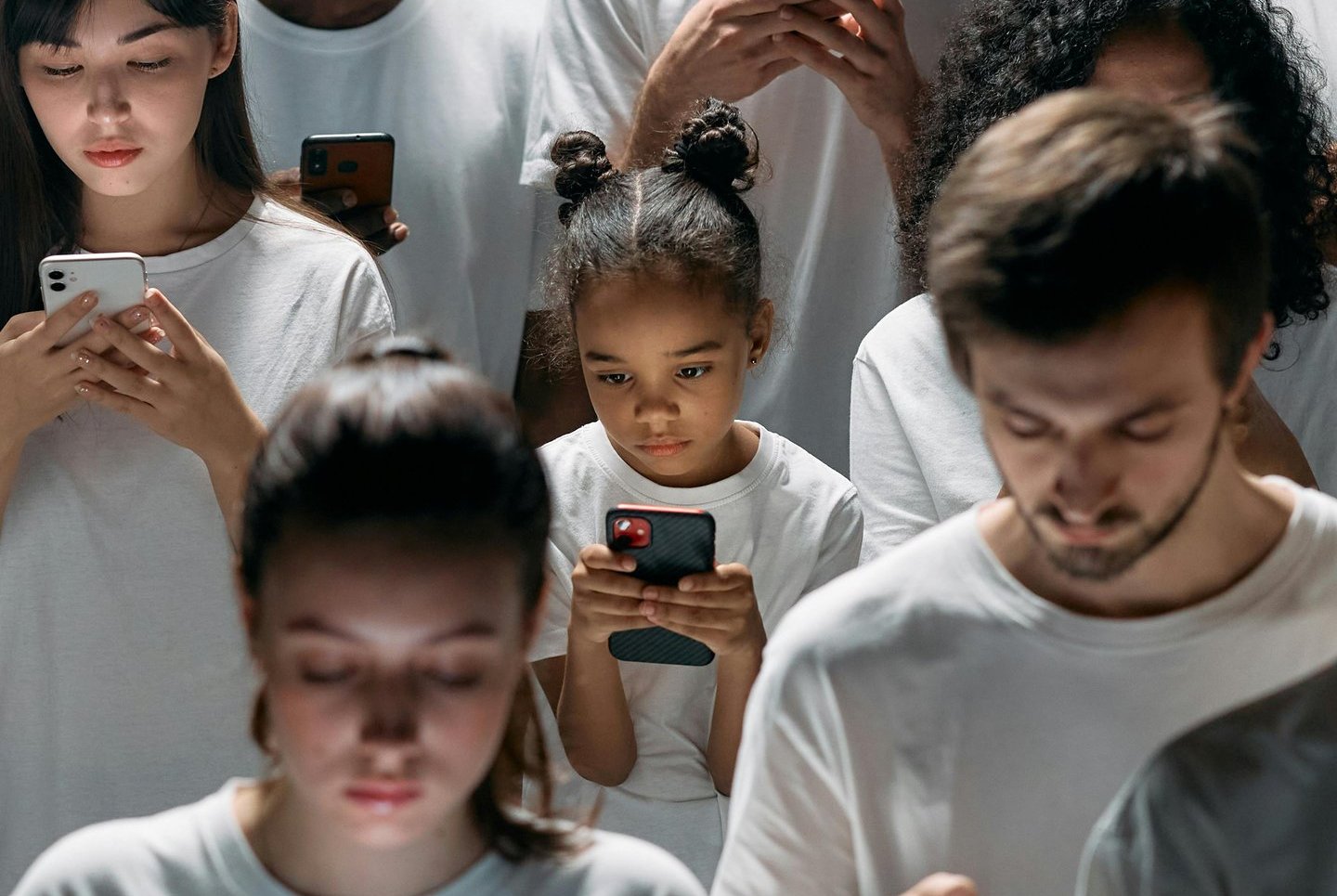
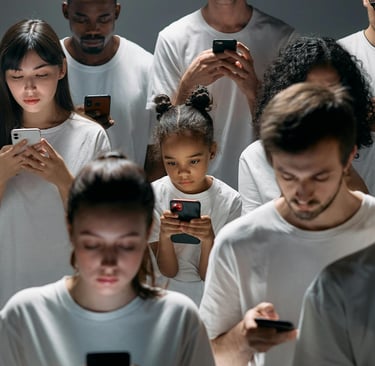
Love has always been a deeply human experience, a blend of emotion, vulnerability, connection, and presence. But the world we live in today is radically different from the one our ancestors knew. We form friendships through screens, fall in love through messages, and maintain relationships across continents with a tap of a finger. The digital age has reshaped how we meet, communicate, and understand one another. The question is no longer whether technology influences love, but whether humans can truly love in a world where connection is increasingly mediated by devices. At first glance, digital life seems to weaken intimacy. Screens create distance. Messages lack tone. Algorithms decide who we meet. Many people fear that technology has made relationships shallow, more about convenience than commitment, more about attention than affection. But this view only captures part of the story. The truth is more complex: technology changes the form of love, not the capacity for it. Humans remain wired for connection, and that wiring does not disappear simply because the medium changes.
As of 2025, approximately 5.78 billion people use smartphones in 2026, that’s about 70.1% of the global population (estimated at 8.25 billion)
Over 7.4 billion smartphones are active globally, meaning many users own more than one device. Globally, people spend an average of 3 hours and 43 minutes per day on smartphones. In the U.S., nearly half of users spend 5 to 6 hours daily. There are 5.66 billion active social media user identities, representing 68.7% of the global population. The average user engages with 6.75 different platforms monthly. Short-form video (TikTok, Reels) dominates attention spans. Mobile devices and social platforms are designed to capture attention in short bursts. Notifications, scrolling, and constant multitasking train the brain to shift rapidly between stimuli. This weakens our ability to stay present with others, even those we love. Intimate conversations become shallow. Eye contact fades. Emotional cues are missed, loved ones may feel unseen, even when physically close.
Psychology shows that love is built on three pillars: emotional connection, shared meaning, and consistent presence. Surprisingly, all three can exist in digital spaces. People build deep emotional bonds through long conversations online. They share values, dreams, and vulnerabilities through messages and video calls. They maintain presence through daily check‑ins, shared digital rituals, and constant communication. For many, technology becomes a bridge, not a barrier, allowing relationships to grow across distance, time zones, and circumstances that would have once made connection impossible. Yet the digital age also introduces new challenges. The abundance of choice can make commitment feel optional. The curated nature of online identities can distort expectations. The speed of communication can create misunderstandings. And the constant availability of distraction can weaken the depth of attention that love requires. Humans can love in a digital age, but they must navigate a landscape filled with illusions, temptations, and emotional shortcuts that can undermine genuine connection.
What determines whether love thrives or fails in this era is not the technology itself, but the intentionality of the people using it. Digital tools can amplify connection when used with honesty, presence, and emotional courage. They can also erode it when used carelessly or superficially. The difference lies in how we show up. Love still requires vulnerability. It still requires listening. It still requires choosing someone, not just scrolling past them. Technology can support these choices, but it cannot replace them. Humans succeed at love in the digital age when they treat technology as a tool, not a substitute. When they use messages to communicate, not to hide. When they use video calls to deepen connection, not to avoid real conversations. When they remember that behind every screen is a human being with fears, hopes, and a longing to be understood. Love becomes real when we bring our full selves into the interaction, whether in person or online. In the end, the digital age does not diminish our capacity to love. It simply asks us to love with more awareness. To be intentional in a world of distraction. To be authentic in a world of performance. To be present in a world of constant noise. Humans can truly love in a digital age, not because technology makes it easier, but because the human heart remains unchanged. Love adapts. Love evolves. And love endures, even when the world around it transforms.
The digital age has not destroyed our ability to love; it has exposed how fragile, distracted, and unintentional our connections can become when we stop showing up fully. Technology didn’t create the epidemic of loneliness, it simply magnified the parts of us that avoid vulnerability, rush intimacy, and settle for convenience over depth. But beneath the noise, the human heart remains unchanged. We still long to be seen. We still crave presence. We still ache for connection that feels real, grounding, and alive. The question is not whether humans can love in a digital age, but whether we are willing to love with the courage this age demands. Love today requires more awareness than ever. It asks us to resist the pull of endless options, to look beyond curated profiles, and to remember that behind every screen is a soul with fears, hopes, and a longing to matter. It asks us to choose depth over speed, intention over impulse, and truth over performance. When we do, technology becomes a bridge, not a barrier, to the kind of connection that transforms us. Love survives not because the world makes it easy, but because humans choose to nurture it even when the world is loud.
In the end, the digital age has not taken love from us, it has simply challenged us to love with greater intention. Real connection still begins where distraction ends. When we choose presence over noise, depth over convenience, and authenticity over performance, we reclaim the very thing technology can never replace: the human capacity to truly see and be seen. Love remains possible, powerful, and transformative, but only when we decide to show up for it with our full attention and our whole heart.
© Enoma Ojo Inquiry & Insight. All rights reserved.